When words fall short, art can speak. For individuals grappling with intense or complex emotions, the process of verbalizing inner experiences can feel overwhelming or even impossible. Art therapy offers a powerful alternative—a way to communicate feelings, thoughts, and memories through images, color, form, and texture. By tapping into the creative process, art therapy provides a safe and supportive environment to express what lies beyond words and begin the journey toward healing.
The Power of Non-Verbal Expression
Emotions like grief, trauma, shame, and fear often defy language. Traditional talk therapy, while effective for many, may not always reach the depths of emotional pain. Art therapy bridges this gap by offering a non-verbal form of communication that is intuitive and accessible. Whether through drawing, painting, sculpting, or collage, individuals can externalize their internal world, making the invisible visible.
This form of expression is particularly beneficial for those who have experienced trauma, including children, survivors of abuse, or individuals with post-traumatic stress disorder (PTSD). Art allows them to process memories and emotions at their own pace, without the pressure of verbal explanation.
Facilitating Emotional Release and Insight
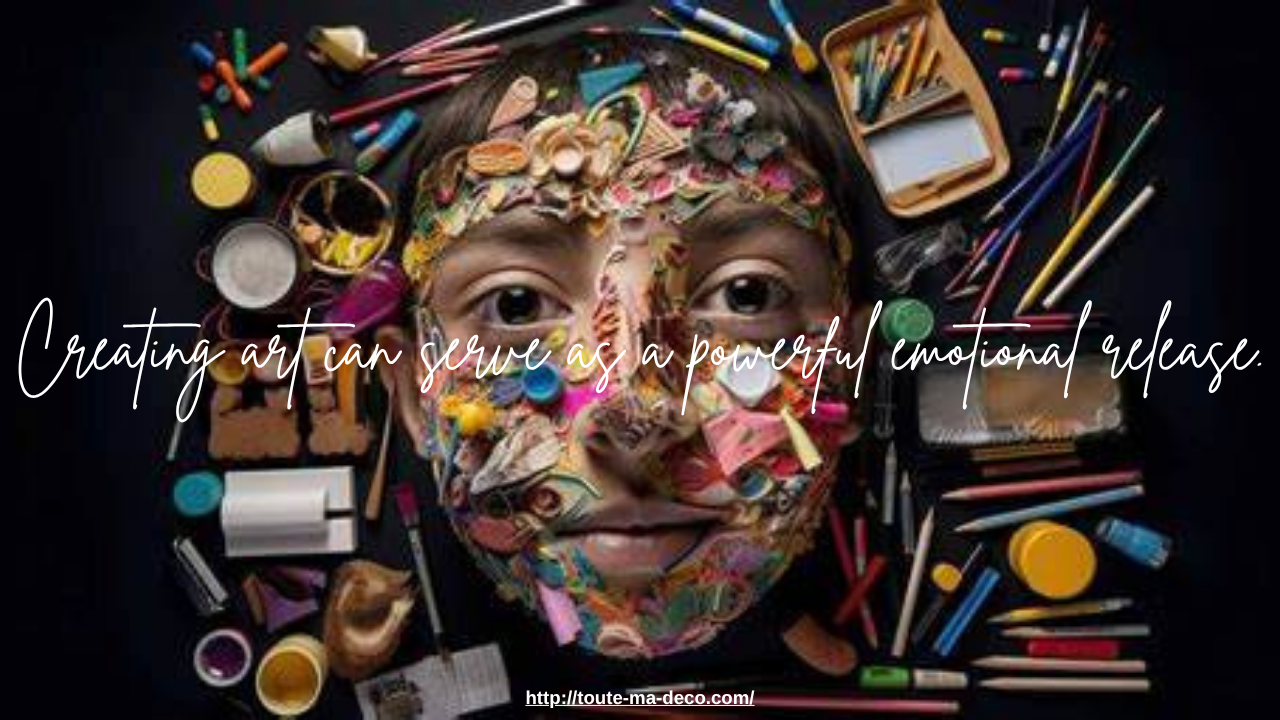
Creating art can serve as a powerful emotional release. The physical act of putting brush to canvas or shaping clay with one’s hands helps to discharge pent-up energy and emotions in a healthy and constructive way. As individuals engage in the creative process, they often gain insight into their feelings and patterns of behavior.
Art therapy also invites reflection. With the guidance of a trained therapist, individuals can explore the symbolism and meaning behind their artwork, uncovering subconscious thoughts and emotional wounds. This deeper understanding can lead to breakthroughs in therapy and facilitate personal growth and emotional regulation.
Empowerment and Control Through Creation
One of the hallmarks of emotional distress is a sense of powerlessness. Art therapy restores a sense of control by allowing individuals to make choices—what to create, what materials to use, and how to express themselves. This empowerment is crucial for rebuilding confidence and a positive self-image.
Art also offers a space where mistakes are not failures but part of the process. This can be especially healing for those who struggle with perfectionism or self-criticism. Each piece becomes a testament to resilience and the ability to create beauty from pain.
Connection and Validation
Art therapy can be practiced individually or in groups. In group settings, sharing artwork can foster connection, empathy, and validation. Seeing others express similar emotions through their creations reinforces the understanding that one is not alone in their struggle.
Even in individual sessions, the therapist provides compassionate witnessing, helping the individual feel seen and heard through their art. This therapeutic relationship is a key component of healing, offering both support and encouragement.
Conclusion
Art therapy transcends the limitations of language, offering a profound and effective way to express and heal deep emotions. By providing a safe space for non-verbal expression, emotional release, empowerment, and connection, art therapy helps individuals navigate their inner worlds and move toward emotional wellness. In every brushstroke, shape, and color lies the potential for transformation, reminding us that healing is not only possible—it can be beautifully expressed.
