Hands at Work, Hearts at Peace: The Mental Health Benefits of Crafting

In a world that often moves too fast, stress and anxiety can quickly overwhelm both mind and body. For individuals facing mental health challenges or navigating addiction recovery, finding calm can feel nearly impossible. Yet one powerful and often overlooked tool is within easy reach: crafting. Hands-on creativity is more than just a hobby. It can be a pathway to emotional balance, self-discovery, and long-term healing.

The Healing Connection Between Crafting and Mental Wellness

When we engage in creative activities like knitting, painting, woodworking, or pottery, our focus naturally shifts away from daily worries. This mindful concentration can quiet racing thoughts and help the brain enter a restorative state. For people in addiction recovery, this calm focus can replace harmful coping mechanisms with healthy, rewarding habits.

Crafting also stimulates the brain’s reward center, releasing dopamine, the “feel-good” neurotransmitter that helps regulate mood. This effect is especially important for those recovering from substance use disorders, as healthy sources of dopamine support the brain’s healing and reduce the risk of relapse.

How Creativity Supports Addiction Recovery

Building Emotional Resilience

Crafting offers a safe outlet to process and release emotions that may be difficult to express in words. Whether shaping clay or stitching fabric, the act of making allows emotions to flow without judgment. Over time, this emotional release can help individuals build resilience and respond to challenges with greater calm.

Strengthening Focus and Patience

Addiction often thrives on impulsivity, while recovery requires steady, mindful progress. Crafting naturally cultivates patience as each project takes time and attention to complete. These qualities translate directly into everyday life, helping individuals stay grounded through the recovery process.

Encouraging Social Connection

Group craft activities or workshops create opportunities to connect with others in a supportive environment. These connections are vital in recovery, reducing feelings of isolation and fostering a sense of belonging.

The Mind-Body Benefits of Crafting

Hands-on creativity engages multiple senses and stimulates fine motor skills, which has been shown to improve cognitive function and overall brain health. Additionally, the repetitive motions involved in activities like knitting or weaving can lower blood pressure and slow the heart rate, reducing physical symptoms of stress.

Integrating Crafting into a Holistic Healing Plan

At Toute Ma Deco, healing is about more than treating symptoms. Their approach to addiction recovery and mental health care is holistic, combining evidence-based therapy with activities that nurture the whole person. Crafting can be seamlessly integrated into this kind of personalized care plan, working alongside counseling, faith-based support, and other therapeutic services.

Conclusion: Creating Peace, One Project at a Time

Crafting is not just about creating beautiful objects. It is about creating a calmer mind, a stronger spirit, and a healthier life. For those struggling with mental health challenges or recovering from addiction, putting hands to work can truly put hearts at peace. If you or someone you love is ready to explore holistic paths to healing, reach out to Toute Ma Deco today. Your next chapter can start with just one stitch, one brushstroke, or one small act of creation.

The Mindful Maker: How Arts and Crafts Ease Anxiety and Stress

When anxiety and stress cloud daily life, finding relief can feel like chasing a moving target. But healing doesn’t always begin in a doctor’s office. Sometimes, it starts with simple, mindful actions: threading a needle, shaping clay, or painting with care. At Toute Ma Deco, where holistic addiction recovery and mental health treatment come together, creative expression through arts and crafts plays a powerful role in supporting emotional wellness. For those navigating addiction, trauma, or mental health disorders, crafting becomes more than a pastime. It becomes therapy.

Why Creative Expression Matters in Recovery

At its core, addiction often stems from unresolved emotional pain, trauma, or chronic stress. Traditional talk therapies are effective, but not everyone can immediately put their feelings into words. That’s where arts and crafts come in. Creating something with your hands provides a different kind of outlet: one that allows individuals to express, process, and release emotions safely.

Hands-on creativity supports recovery in several ways:

It Reduces Anxiety Through Mindful Focus

Crafting tasks like knitting, beading, or painting require concentration and repetition. This engages the brain in a calming rhythm, grounding individuals in the present moment. Over time, this mindfulness reduces racing thoughts and soothes the nervous system.

It Encourages Emotional Regulation

When words fail, colors, textures, and shapes can speak. Through creative expression, individuals learn to explore their emotions without judgment. Whether they’re managing anger, grief, or fear, crafting helps bring awareness and acceptance to the emotional process.

It Builds Confidence and Self-Worth

Finishing a project, no matter how small, brings a sense of accomplishment. For someone in recovery, these wins matter. They remind the individual that they can create, succeed, and persevere. That empowerment supports long-term resilience.

Arts and Crafts in Holistic Treatment at Toute Ma Deco

At Toute Ma Deco, we believe in healing the whole person—body, mind, and spirit. Our addiction recovery programs incorporate a wide range of therapeutic methods, including art-based practices that align with each client’s unique journey. We’ve seen firsthand how crafting complements faith-based guidance, individualized counseling, and community support.

Clients are encouraged to choose creative outlets that resonate with them. Some may find peace in watercolor painting. Others prefer the meditative rhythm of sewing or woodworking. What matters is not the medium, but the meaning. Each act of creation becomes an act of self-care, a quiet rebellion against the chaos addiction brings.

Practical Tips for Getting Started

If you’re considering introducing crafting into your recovery or mental wellness routine, here are a few suggestions:

  • Start small: Try simple activities like coloring, journaling with doodles, or making friendship bracelets.
  • Make it consistent: Set aside time daily or weekly for creative work.
  • Don’t focus on perfection: Let go of expectations. Healing is the goal, not a masterpiece.
  • Create a calming environment: Turn on soft music, dim the lights, and allow yourself to fully engage.

Take the Next Step Toward Healing

Stress and anxiety don’t have to define your journey. With the right support, healing is possible—one mindful moment at a time. At Toute Ma Deco, we’re here to walk with you, offering professional, compassionate, and personalized care.

If you or someone you love is struggling with addiction or mental health challenges, we invite you to reach out. Your path to wellness may begin with something as simple as a brushstroke or a piece of thread.

Visit Toute Ma Deco to learn more about our holistic recovery programs and how art can be part of your healing journey.

Stitch by Stitch: How Crafting Cultivates Calm and Emotional Resilience

In today’s fast-paced world, stress and anxiety are all too common. Many people are searching for ways to manage their mental health and foster emotional resilience. One surprising yet powerful method is crafting. Whether it’s knitting, crocheting, embroidery, or quilting, crafting with needle and thread offers more than just a creative outlet—it provides therapeutic benefits that help calm the mind and build emotional strength. Stitch by stitch, crafting becomes a pathway to wellness and inner peace.

The Therapeutic Rhythm of Stitching

Crafting, especially forms that involve stitching, engages the mind and body in a calming, repetitive rhythm. This steady movement of hands creates a sense of order and predictability, which can be incredibly soothing during times of emotional upheaval. As individuals focus on each loop, pull, or weave, their minds become centered in the present moment, similar to mindfulness meditation.

This mindful practice reduces stress and promotes relaxation. Studies have shown that crafting can lower cortisol levels, the body’s main stress hormone, and trigger the release of dopamine, which enhances feelings of happiness and satisfaction. The simple, repetitive actions of stitching foster a meditative state that helps individuals unwind and recharge.

Emotional Expression and Healing

Stitching can also be a form of emotional expression. Through the choice of colors, patterns, and textures, crafters can reflect their mood or tell a personal story. This process allows individuals to work through complex emotions without needing to verbalize them. For many, the act of stitching becomes a symbolic act of mending—not just fabric, but also the heart and mind.

Creating something with needle and thread provides a safe space to process grief, anxiety, or trauma. It turns intangible feelings into tangible work, helping individuals externalize their emotions and find relief. Over time, this practice encourages emotional balance and self-awareness.

Building Confidence and Resilience

Finishing a craft project brings a sense of achievement and builds confidence. Each completed piece serves as a reminder of one’s abilities, reinforcing a sense of competence and perseverance. This is particularly important for those dealing with low self-esteem or feelings of helplessness.

Crafting also teaches resilience through trial and error. Mistakes are part of the process, and learning to fix them fosters patience and adaptability. This mirrors life challenges, helping individuals develop the mental tools they need to face difficulties with a calm and steady mindset.

Social Connection and Support

While crafting can be a solitary practice, it often connects people through classes, craft groups, and online communities. These connections provide emotional support and reduce feelings of isolation. Sharing projects, offering encouragement, and learning from others create a sense of belonging, which is vital for emotional well-being.

Conclusion

Stitch by stitch, crafting offers a pathway to calm, emotional expression, and resilience. By engaging in hands-on creativity, individuals can manage stress, heal from emotional wounds, and develop a stronger, more balanced sense of self. In every loop and thread, there is an opportunity to weave peace and strength into everyday life.

From Chaos to Canvas: Turning Pain into Art for Mental and Emotional Healing

Life’s struggles often leave deep marks, both seen and unseen. For many, the chaos of addiction, trauma, or mental health challenges creates emotional wounds that words alone cannot express. At Toute Ma Deco, we believe that healing begins not only with treatment but also with creative expression. Transforming pain into art allows individuals to release emotions, find peace, and build resilience. Through holistic and faith-based care, we guide clients toward recovery, where creativity becomes an essential part of the healing journey.

Why Art Matters in Healing

Recovery is not a linear path. Addiction and mental health challenges often disrupt one’s sense of identity, self-worth, and purpose. Traditional therapies provide structure and support, but many clients discover that art offers a different kind of language—one that bypasses words and reaches directly into the heart.

Expressing the Unspoken

When emotions feel overwhelming or impossible to articulate, painting, drawing, or sculpting provides a safe outlet. Art becomes a bridge between inner chaos and outer clarity, giving form to feelings that might otherwise remain buried.

Regaining Control Through Creation

Addiction often strips away the sense of control over one’s life. Creating something tangible, whether it is a painting or a crafted object, restores a feeling of agency. Each brushstroke or design is a reminder that recovery is possible, one intentional step at a time.

Reducing Stress and Restoring Balance

Engaging in art shifts the mind into a calm, meditative state. The repetitive motions of sketching or blending colors soothe the nervous system and reduce stress. Over time, this practice helps clients develop healthier coping mechanisms to replace destructive patterns.

The Role of Art in Holistic Treatment at Toute Ma Deco

At Toute Ma Deco, we approach healing with compassion and a commitment to treating the whole person—body, mind, and spirit. Art therapy is integrated into our inpatient and outpatient programs alongside counseling, faith-based practices, and individualized care. This holistic approach ensures that every client has access to tools that fit their personal journey.

Our clients often find that creativity helps them process trauma, reconnect with hope, and rediscover joy. Some create vivid canvases filled with emotion, while others take comfort in simple crafts. No matter the form, the act of making art becomes an act of reclaiming life from addiction and despair.

Practical Ways to Begin Healing Through Art

For those looking to bring art into their recovery journey, here are a few suggestions:

  • Start small: Use basic materials like pencils, markers, or watercolors.
  • Focus on the process: Let go of perfection. Healing comes from expression, not performance.
  • Create regularly: Make time for creative practice, even if just 10 minutes a day.
  • Allow emotions to guide you: Use colors, shapes, and textures that reflect how you feel in the moment.

Take the Next Step Toward Recovery

From chaos can come beauty, and from pain can come healing. Art is not only about creating images—it is about creating a new way forward. At Toute Ma Deco, we offer a safe and supportive environment where individuals can explore creative expression as part of their recovery. Our holistic, faith-based, and personalized programs are designed to meet you where you are and guide you toward lasting wellness.

If you or someone you love is struggling with addiction or mental health challenges, we encourage you to reach out. Your healing journey can begin with a single brushstroke.

Visit Toute Ma Deco today to learn more about how we integrate creative therapies into our recovery programs.

Beyond Words: How Art Therapy Helps Express and Heal Deep Emotions

When words fall short, art can speak. For individuals grappling with intense or complex emotions, the process of verbalizing inner experiences can feel overwhelming or even impossible. Art therapy offers a powerful alternative—a way to communicate feelings, thoughts, and memories through images, color, form, and texture. By tapping into the creative process, art therapy provides a safe and supportive environment to express what lies beyond words and begin the journey toward healing.

The Power of Non-Verbal Expression

Emotions like grief, trauma, shame, and fear often defy language. Traditional talk therapy, while effective for many, may not always reach the depths of emotional pain. Art therapy bridges this gap by offering a non-verbal form of communication that is intuitive and accessible. Whether through drawing, painting, sculpting, or collage, individuals can externalize their internal world, making the invisible visible.

This form of expression is particularly beneficial for those who have experienced trauma, including children, survivors of abuse, or individuals with post-traumatic stress disorder (PTSD). Art allows them to process memories and emotions at their own pace, without the pressure of verbal explanation.

Facilitating Emotional Release and Insight

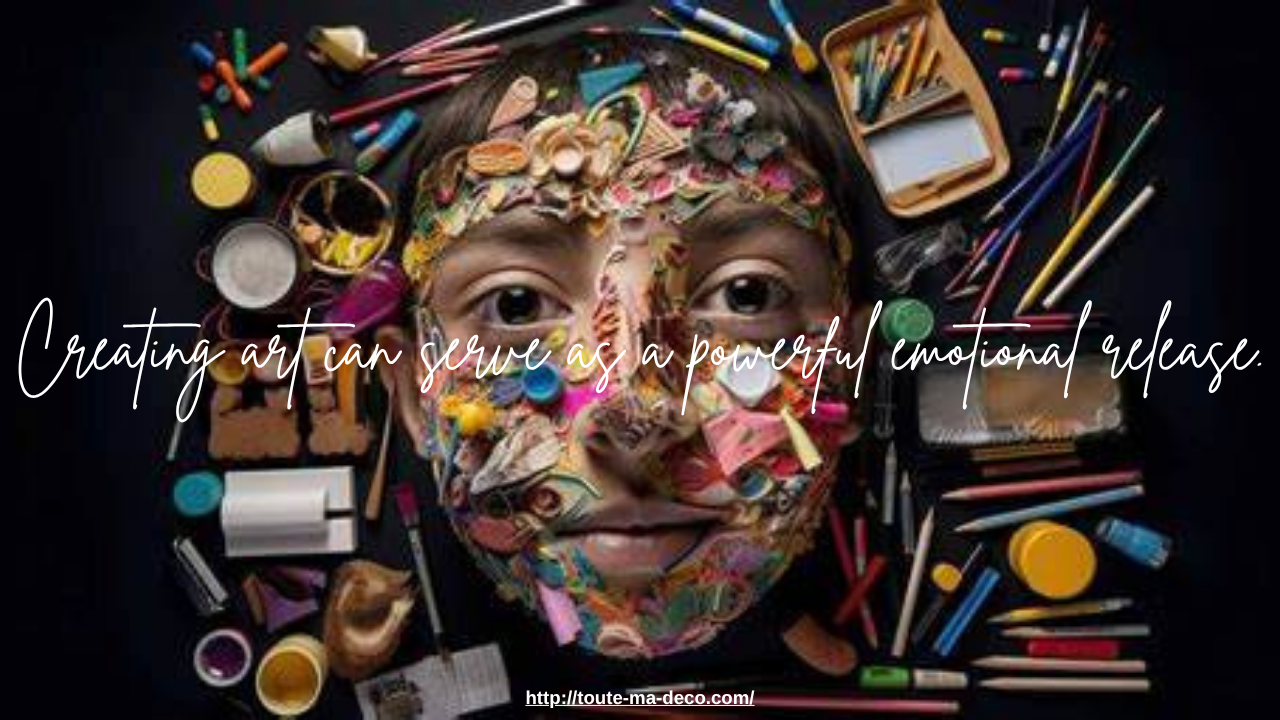
Creating art can serve as a powerful emotional release. The physical act of putting brush to canvas or shaping clay with one’s hands helps to discharge pent-up energy and emotions in a healthy and constructive way. As individuals engage in the creative process, they often gain insight into their feelings and patterns of behavior.

Art therapy also invites reflection. With the guidance of a trained therapist, individuals can explore the symbolism and meaning behind their artwork, uncovering subconscious thoughts and emotional wounds. This deeper understanding can lead to breakthroughs in therapy and facilitate personal growth and emotional regulation.

Empowerment and Control Through Creation

One of the hallmarks of emotional distress is a sense of powerlessness. Art therapy restores a sense of control by allowing individuals to make choices—what to create, what materials to use, and how to express themselves. This empowerment is crucial for rebuilding confidence and a positive self-image.

Art also offers a space where mistakes are not failures but part of the process. This can be especially healing for those who struggle with perfectionism or self-criticism. Each piece becomes a testament to resilience and the ability to create beauty from pain.

Connection and Validation

Art therapy can be practiced individually or in groups. In group settings, sharing artwork can foster connection, empathy, and validation. Seeing others express similar emotions through their creations reinforces the understanding that one is not alone in their struggle.

Even in individual sessions, the therapist provides compassionate witnessing, helping the individual feel seen and heard through their art. This therapeutic relationship is a key component of healing, offering both support and encouragement.

Conclusion

Art therapy transcends the limitations of language, offering a profound and effective way to express and heal deep emotions. By providing a safe space for non-verbal expression, emotional release, empowerment, and connection, art therapy helps individuals navigate their inner worlds and move toward emotional wellness. In every brushstroke, shape, and color lies the potential for transformation, reminding us that healing is not only possible—it can be beautifully expressed.

The Creative Cure: Why Arts and Crafts Are Essential Tools for Addiction Recovery

Addiction recovery is a complex and deeply personal journey. It involves more than simply abstaining from substances; it requires addressing the emotional, psychological, and social factors that contribute to addictive behavior. While traditional recovery programs often focus on therapy, medication, and support groups, an increasingly recognized and effective component of healing is creative expression. Arts and crafts offer unique therapeutic benefits that help individuals in recovery reconnect with themselves, manage emotions, and build a healthier, more meaningful life.

A Pathway to Emotional Expression

One of the most powerful aspects of arts and crafts in addiction recovery is their ability to facilitate emotional expression. Many individuals struggling with addiction have difficulty identifying or articulating their emotions. Creative activities like painting, sculpting, drawing, or crafting allow for non-verbal communication, providing a safe and constructive outlet for feelings such as grief, anger, guilt, and hope.

This form of expression can be particularly helpful for those dealing with trauma or emotional suppression. Creating art enables individuals to externalize their inner turmoil, giving them the opportunity to process and make sense of their experiences in a way that feels natural and unthreatening.

Rebuilding Identity and Self-Esteem

Addiction often leads to a loss of identity and self-worth. Many people in recovery struggle with feelings of shame and a damaged sense of self. Engaging in creative activities can help rebuild a positive self-image. The process of making something with one’s own hands fosters a sense of accomplishment and personal pride.

Arts and crafts also encourage exploration and self-discovery. Through creative practice, individuals can rediscover forgotten passions, uncover hidden talents, and develop new interests. These experiences help to construct a new, sober identity that is rooted in creativity and purpose.

Providing Structure and Focus

The early stages of recovery can be marked by restlessness, boredom, and difficulty concentrating—common relapse triggers. Arts and crafts provide a healthy, structured way to spend time, helping individuals establish routines and stay focused on the present moment.

The hands-on nature of crafting demands concentration, which can create a state of “flow” or deep immersion. This mindful engagement not only distracts from cravings but also promotes mental clarity and emotional regulation. Whether knitting, painting, or woodworking, these activities offer a productive and enjoyable alternative to old, harmful habits.

Building Community and Connection

Isolation is a significant risk factor in addiction. Participating in group art therapy sessions or community craft projects helps foster connection and social support. Sharing the creative process with others creates a sense of belonging and provides opportunities for positive interaction and encouragement.

In these collaborative environments, individuals can learn to trust, communicate, and develop empathy—essential skills for sustaining long-term recovery. Community art initiatives can also provide a platform for individuals to share their stories and inspire others through their creative journey.

Conclusion

Arts and crafts are not just leisure activities; they are essential therapeutic tools in the recovery process. By offering emotional release, rebuilding identity, promoting mindfulness, and fostering community, creative expression supports every facet of healing. For individuals recovering from addiction, the creative cure provides a powerful and enduring path toward wellness, self-discovery, and lasting sobriety.

Mending Minds with Needle and Thread: How Crafts Help Heal Emotional Wounds

In the quiet rhythm of stitching, there lies a powerful metaphor for healing: taking what is torn or frayed and making it whole again. For individuals grappling with emotional wounds—whether from trauma, grief, anxiety, or depression—the simple act of crafting with needle and thread can offer profound psychological benefits. From embroidery and quilting to cross-stitching and sewing, these time-honored crafts do more than produce beautiful objects; they help mend the mind and soothe the soul.

A Meditative Practice for the Mind

Crafts involving needle and thread require concentration and repetition, which naturally encourage a state of mindfulness. As the hands move through the motions—threading the needle, pulling stitches, following patterns—the mind is gently guided away from distressing thoughts and anchored in the present moment. This focus fosters a meditative state, reducing anxiety and calming the nervous system.

Unlike digital distractions or passive entertainment, stitching demands engagement, allowing crafters to slow down and reconnect with themselves. The tactile nature of textiles also provides a sensory experience that can be especially comforting for those dealing with emotional overwhelm or dissociation.

Stitching Through Pain and Processing Emotions

Many people find that sewing or embroidery gives them a safe and quiet space to process emotions that are otherwise difficult to express. The creative freedom in choosing colors, patterns, and designs allows for symbolic representation of personal feelings and experiences. A patchwork quilt may become a narrative of healing; a piece of embroidery might depict resilience or hope.

By translating emotions into tangible creations, individuals can externalize internal pain. This form of non-verbal communication is particularly helpful for those who struggle to articulate their feelings through words. It allows for gentle self-expression and the gradual release of emotional tension.

Empowerment and Rebuilding Self-Esteem

Crafting with needle and thread is an act of creation and repair. Completing a project—no matter how small—can bring a sense of accomplishment that boosts confidence and self-worth. This is especially meaningful for those whose emotional struggles have left them feeling powerless or ineffective.

The process of setting a goal, working through challenges, and seeing it through to completion mirrors the journey of emotional healing. It reinforces the belief that change and progress are possible, instilling a sense of control and capability.

Creating Connection and Community

Textile crafts have long been communal activities. From quilting bees to sewing circles, these traditions bring people together, offering connection and shared purpose. For those dealing with loneliness or emotional isolation, joining a craft group—online or in-person—can provide much-needed social support.

Sharing work, offering encouragement, and learning from others cultivates a sense of belonging. This community aspect of crafting contributes significantly to emotional resilience and mental wellness.

Conclusion

Mending minds with needle and thread is more than a poetic phrase—it reflects a deeply therapeutic practice that can support emotional recovery and personal growth. Through mindfulness, expression, empowerment, and connection, textile crafts offer a gentle yet powerful path toward healing. In every stitch lies the potential to piece together not just fabric, but also the fragments of a wounded heart.

Sculpting Sobriety: The Transformative Power of Hands-On Art Therapy

Addiction recovery is a deeply personal process that requires healing on multiple levels—physical, emotional, psychological, and spiritual. While conventional treatments such as therapy, support groups, and medication are essential, hands-on art therapy is emerging as a transformative complement to these approaches. Among the many forms of creative expression, sculpting stands out for its tactile, immersive, and empowering qualities. The physical act of molding and shaping materials can mirror the internal process of reshaping one’s life, making it a profound tool in achieving and maintaining sobriety.

The Tactile Experience of Healing

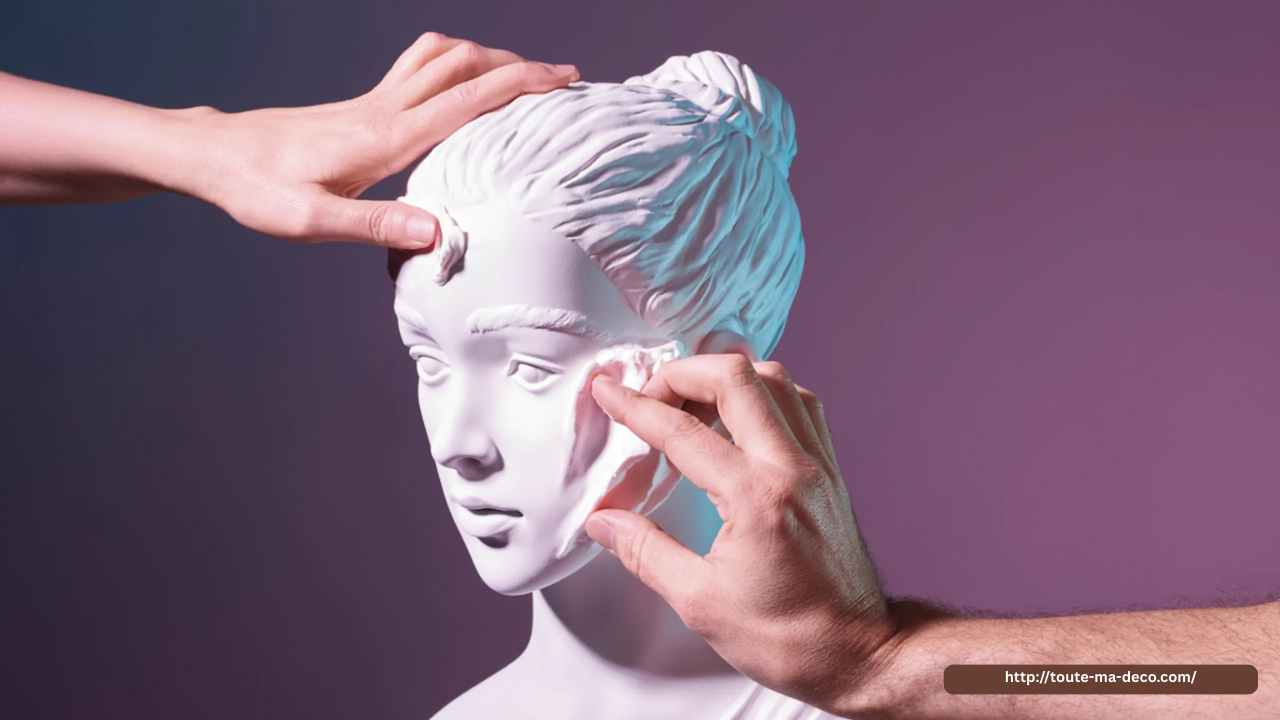
Sculpting involves direct engagement with materials like clay, wood, or stone, offering a sensory-rich experience that can ground individuals in the present moment. This tactile nature provides immediate feedback and connection, which is particularly helpful for individuals struggling with anxiety, trauma, or emotional numbness. As the hands manipulate the medium, the mind becomes focused and anchored—fostering mindfulness and reducing the intrusive thoughts and cravings that often accompany addiction recovery.

Working with one’s hands in this way activates the brain’s sensory and motor systems, encouraging neuroplasticity—the brain’s ability to form new neural pathways. In the context of recovery, this means the brain can begin to develop healthier habits and coping strategies to replace those linked to substance use.

Externalizing Inner Emotions

Addiction often stems from unresolved emotional pain, and traditional talk therapy may not always provide an adequate outlet for these deep-seated feelings. Sculpting offers a non-verbal form of expression that allows individuals to externalize their inner struggles. By physically shaping a representation of pain, fear, hope, or transformation, participants gain a visual and tangible perspective on their emotional landscape.

The process of creating three-dimensional art can also serve as a symbolic act of change. Breaking, reshaping, and rebuilding materials mirrors the emotional work involved in recovery. The final sculpture, whether abstract or representational, stands as a testament to the journey and effort involved in overcoming addiction.

Building Confidence and Self-Efficacy

Many individuals in recovery struggle with self-worth and confidence. Completing a sculpture, regardless of artistic skill, instills a sense of accomplishment and agency. The act of creating something from raw material provides proof of one’s ability to envision and manifest change.

As individuals progress in their sculpting abilities, they may begin to view themselves as capable and creative—qualities that are essential to sustaining sobriety. This sense of mastery can spill over into other areas of life, motivating healthier decisions and reinforcing a positive self-identity.

Creating Connection and Community

Sculpting is often used in group art therapy sessions, where shared creative experiences foster connection and support. Addiction can be isolating, but the collaborative and non-judgmental environment of group art therapy helps rebuild trust and communication. Sharing work and witnessing others’ artistic journeys encourages empathy and mutual healing.

Conclusion

Sculpting is more than an artistic endeavor—it is a powerful therapeutic tool for individuals in addiction recovery. Through tactile engagement, emotional expression, skill-building, and community connection, hands-on art therapy can support the transformation from addiction to sobriety. As each piece takes shape, so too does a new, sober life, sculpted with intention, resilience, and hope.

Brushstrokes of Healing: How Painting and Drawing Support Mental Health

Recovering from addiction is a deeply personal and often challenging journey. It involves more than just abstaining from substances; it requires rebuilding one’s identity, coping mechanisms, and sense of purpose. While therapy, support groups, and medication play essential roles in recovery, arts and crafts offer an additional, powerful avenue for healing. Through creative expression, individuals can channel their emotions, regain self-confidence, and build a meaningful life in sobriety.

Emotional Expression and Release

Addiction is frequently rooted in unresolved emotional pain—trauma, loss, anxiety, or depression. For many individuals, verbalizing these complex emotions can be daunting. Arts and crafts offer a non-verbal outlet for expressing feelings that might otherwise remain buried. Whether it’s painting a canvas, molding clay, or stitching a quilt, the act of creating provides a safe and constructive way to process emotions.

Creative expression allows individuals to externalize their inner world. This can be both cathartic and enlightening, helping them to confront and understand the root causes of their addiction. Over time, this emotional processing can reduce the burden of suppressed feelings and support long-term healing.

Rebuilding Identity and Self-Worth

Addiction often strips individuals of their sense of identity and self-esteem. The repetitive cycle of substance use and guilt can leave people feeling worthless or incapable. Engaging in arts and crafts helps to rebuild that lost sense of self. Completing a project, no matter how simple, provides a tangible sense of accomplishment.

Crafting also encourages the rediscovery of personal interests and talents. Many individuals in recovery find joy in exploring new creative outlets—painting, woodworking, jewelry-making, or textile arts. These discoveries can become part of a new, sober identity rooted in passion and purpose.

Structure and Mindfulness

Recovery thrives on routine and structure, both of which are provided by regular engagement in arts and crafts. Creative projects require focus, planning, and patience, encouraging individuals to stay present and engaged in the moment. This mindful state can be incredibly grounding, reducing anxiety and helping manage cravings.

Repetitive crafts like knitting, coloring, or beading are especially effective in promoting relaxation and mindfulness. These activities can create a meditative rhythm that soothes the nervous system and helps manage stress, which is a common trigger for relapse.

Social Connection and Community

Addiction often leads to isolation, but arts and crafts can foster connection and community. Group art therapy sessions, creative workshops, and craft circles provide safe spaces for individuals to share their stories, support one another, and build friendships. These social bonds are crucial for maintaining sobriety and reducing feelings of loneliness.

Sharing creative work with others also offers validation and encouragement, further boosting self-esteem. Whether it’s displaying artwork in a group setting or giving handmade gifts to loved ones, these experiences reinforce the idea that the individual has something valuable to contribute.

Conclusion

Arts and crafts are more than just hobbies—they are therapeutic tools that support emotional healing, identity rebuilding, mindfulness, and connection. For individuals in addiction recovery, creativity offers a path to self-discovery and renewal. By crafting a new life through artistic expression, people in recovery can find hope, strength, and a brighter future beyond addiction.

Crafting a New Life: The Therapeutic Benefits of Arts and Crafts in Addiction Recovery

Addiction is a complex condition that affects the brain’s reward system, often leading individuals down a path of compulsive substance use and destructive behaviors. While traditional recovery methods such as therapy, support groups, and medication-assisted treatment play a crucial role in healing, creativity is emerging as a powerful tool in rewiring the brain and fostering long-term recovery. Through artistic expression, individuals in recovery can rebuild neural pathways, process emotions, and discover new ways to find fulfillment without substances.

The Neuroscience of Creativity and Recovery

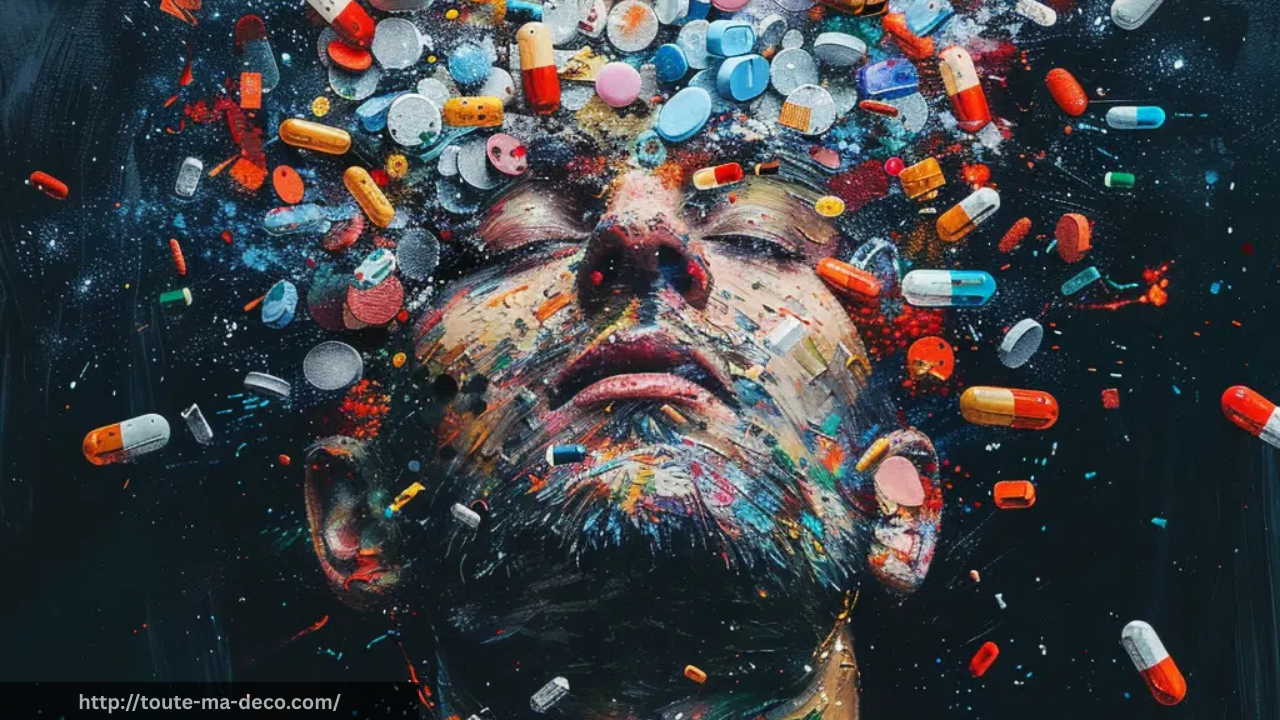
Addiction hijacks the brain’s reward system, diminishing the brain’s ability to produce and regulate dopamine, the neurotransmitter responsible for pleasure and motivation. When individuals engage in creative activities such as painting, music, or writing, the brain releases dopamine naturally. This process helps restore the brain’s chemical balance, offering a healthier and sustainable way to experience joy and satisfaction.

Neuroplasticity, the brain’s ability to rewire and form new connections, plays a crucial role in addiction recovery. Engaging in creative endeavors stimulates different areas of the brain, reinforcing positive neural pathways and replacing those associated with substance use. Over time, these new pathways strengthen, making it easier for individuals to resist cravings and cope with stress in healthier ways.

Emotional Processing and Self-Discovery

For many people, addiction serves as a way to escape unresolved trauma, anxiety, or depression. Creative expression provides a safe outlet for processing emotions that may be difficult to verbalize. Painting, poetry, music, and other artistic forms allow individuals to externalize their inner struggles, facilitating healing and self-reflection.

Through creativity, individuals also embark on a journey of self-discovery. Many who struggle with addiction lose their sense of identity and purpose. Artistic expression allows them to explore their interests, values, and passions, helping them reconnect with their authentic selves beyond addiction.

Boosting Confidence and Self-Worth

Addiction often erodes self-esteem, leaving individuals feeling powerless and unworthy. The act of creating something—whether it be a song, a sculpture, or a piece of writing—can provide a sense of accomplishment and pride. Seeing tangible results from their efforts reinforces self-efficacy, proving to individuals that they are capable of growth and success.

Participating in artistic endeavors also fosters a sense of purpose. Many individuals in recovery find meaning in sharing their art with others, whether through performances, exhibitions, or personal storytelling. This sense of contribution can be a powerful motivator, helping to maintain long-term sobriety.

Creativity as a Coping Mechanism

Stress, anxiety, and boredom are common triggers for relapse. Developing creative outlets provides individuals with constructive ways to manage emotions and occupy their time. Whether it’s playing an instrument, painting a canvas, or journaling, having a creative practice can serve as a healthy coping mechanism, reducing the likelihood of returning to substance use.

Conclusion

From addiction to artistry, the journey of recovery is not just about abstaining from substances—it’s about rebuilding a life that is fulfilling and meaningful. Creativity provides a powerful pathway for healing, rewiring the brain, and rediscovering joy. By embracing artistic expression, individuals in recovery can transform their pain into purpose, proving that a life beyond addiction is not only possible but also beautifully enriching.