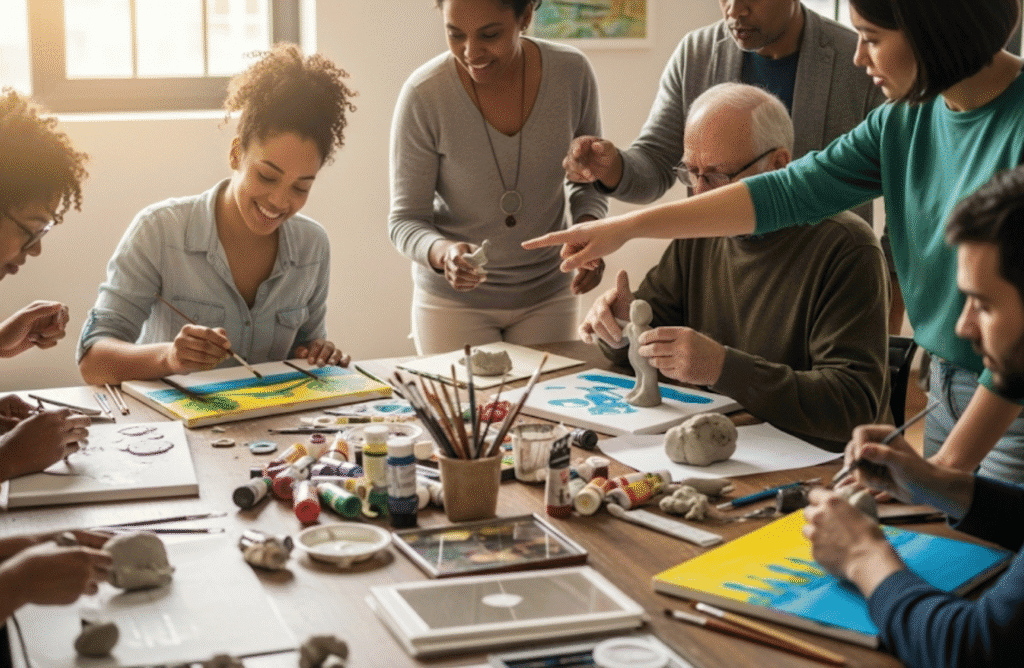
Hands That Heal: The Role of Creative Activities in Addiction Recovery and Emotional Wellness

Addiction recovery requires more than avoiding drugs or alcohol. It involves learning how to manage emotions, handle stress, rebuild confidence, repair daily routines, and develop healthier ways to respond to life’s challenges. Creative activities can support this process by giving people a practical outlet for self-expression and a constructive way to spend time. Painting, drawing, crafting, writing, music, photography, and other creative pursuits can encourage focus and emotional awareness while helping individuals reconnect with interests that may have been lost during addiction. When combined with professional addiction treatment and mental health care, creative activities can become a meaningful part of a personalized approach to recovery and emotional wellness.

Why Creative Activities Matter in Addiction Recovery

Addiction can gradually take over areas of life that once provided purpose and enjoyment. Hobbies may disappear. Relationships can become strained. Healthy routines may be replaced by behaviors centered around obtaining or using substances.

Recovery creates an opportunity to rebuild those parts of life.

Creative activities can be especially useful because they provide something constructive to focus on. The objective is not necessarily to create a perfect painting or produce professional artwork. Instead, the value often comes from the process of doing something purposeful.

Creativity Provides a Healthy Emotional Outlet

People in recovery may experience powerful emotions, including anger, sadness, guilt, fear, loneliness, or frustration. Talking about these feelings in therapy can be extremely valuable, but verbal communication is not always easy.

Creative expression provides another option.

Writing in a journal, creating a collage, sketching, painting, or working with clay can help a person explore feelings without needing to explain everything immediately. The activity can create space for reflection and may help someone identify emotions that need further attention in therapy.

Creative expression does not replace professional mental health treatment. Instead, it can complement counseling and other appropriate forms of care.

Creating Can Restore a Sense of Achievement

Addiction can damage self-confidence. Someone may feel defined by past decisions, broken relationships, or repeated attempts to stop using substances.

Creative projects offer opportunities for small accomplishments.

Finishing a drawing, completing a handmade object, learning a new technique, or simply following through with a planned activity can provide evidence that positive action is possible. Those small experiences matter because recovery is built through repeated healthy choices.

Creative Activities and Emotional Wellness

Emotional wellness involves recognizing feelings, responding to them appropriately, and developing healthier ways to cope with stress. Creative activities can support these skills when they are used intentionally.

Crafting Can Encourage Mindful Attention

Many creative activities require concentration. When someone is focused on choosing colors, shaping materials, following a pattern, taking photographs, or writing, their attention is directed toward the task in front of them.

This can encourage mindfulness.

For a person dealing with racing thoughts, stress, or persistent worry, concentrating on a manageable activity can provide a useful break from mental overload. It does not make difficult thoughts disappear, but it can help create a healthier relationship with those thoughts.

Over time, practicing focused attention through everyday activities may become one component of a broader stress management routine.

Creative Work Can Help Reduce Everyday Stress

Stress is an important consideration in addiction recovery. Difficult situations can increase emotional discomfort and, for some people, intensify cravings or the desire to return to familiar coping behaviors.

Having healthy activities available can provide another response.

A person might spend time drawing after a difficult conversation, work on a craft project after a stressful day, or write in a journal when emotions feel difficult to organize. These actions can create a pause between experiencing stress and reacting to it.

That pause can be valuable.

Rebuilding Identity Beyond Addiction

One of the less discussed challenges of recovery is discovering who you are outside of substance use.

When addiction has occupied a significant part of someone’s life, it can be difficult to remember previous interests or imagine new ones. Creative activities can help people reconnect with aspects of their identity that addiction may have pushed aside.

Rediscovering Forgotten Interests

Perhaps you enjoyed painting before addiction became a problem. Maybe you used to write stories, take photographs, build things, sew, play music, or make handmade gifts.

Returning to an old interest can feel surprisingly meaningful.

It can remind you that addiction is only one part of your story. You are also a person with preferences, talents, relationships, goals, and interests.

If an old hobby no longer feels right, that is fine too. Recovery can be a time to discover something completely new.

Finding Purpose in the Everyday

Purpose does not always come from major achievements. It can develop through ordinary activities that make life feel worthwhile.

A creative routine can provide structure to an otherwise difficult day. Having a project to work on can give someone a reason to get up, focus attention, and experience satisfaction from completing something.

These routines can be particularly helpful when rebuilding a lifestyle that supports long-term sobriety.

Bringing Creativity Into Individualized Treatment

Every person experiencing addiction has different needs. Some people require intensive support, while others benefit from outpatient counseling and ongoing recovery services. Mental health concerns, family circumstances, physical health, personal beliefs, and previous treatment experiences can also influence the type of care someone needs.

For that reason, creative activities should be considered as one possible part of individualized recovery rather than a universal solution.

Inpatient Care and Creative Expression

Inpatient treatment can provide a structured environment where individuals have time and space to focus on recovery.

Within an appropriate treatment setting, creative activities may offer healthy recreation while supporting emotional expression, concentration, and social connection. Group art activities can also provide opportunities for people to communicate and interact without making every conversation about addiction.

However, creative activities should work alongside professional counseling, medical support, mental health treatment, and other services appropriate to the individual’s needs.

Outpatient Recovery and Daily Life

Creative activities can also be continued after someone leaves a structured treatment environment.

For people receiving outpatient care, maintaining healthy routines at home can be an important part of recovery. A regular creative practice can provide structure and offer a constructive way to use free time.

This can also be useful when developing a relapse prevention plan. Instead of simply identifying what to avoid, individuals can identify healthy activities they can turn toward when stress, boredom, loneliness, or difficult emotions arise.

How to Make Creativity Part of Recovery

You do not need to be naturally artistic to benefit from creative activities. The most important factor is finding something that feels meaningful and manageable.

Start With an Accessible Activity

Consider trying:

  • Drawing or coloring
  • Painting
  • Journaling
  • Photography
  • Sewing or knitting
  • Pottery or clay work
  • Scrapbooking
  • Making collages
  • Woodworking
  • Gardening
  • Playing music
  • Creative writing

Choose something that interests you rather than something you think you are supposed to enjoy.

Focus on the Process, Not the Result

Avoid turning creativity into another source of pressure.

You do not need to create something impressive. The purpose may simply be to spend thirty minutes concentrating on an activity, expressing an emotion, or doing something that gives you satisfaction.

If you make a mistake, start again. If the finished product looks different from what you imagined, accept it. This process can reinforce patience and flexibility, two qualities that can also be useful during recovery.

Create a Consistent Routine

Creative activities are often more useful when they become part of everyday life.

Set aside a realistic amount of time each week. Even fifteen or twenty minutes can be enough to establish a routine. As the activity becomes familiar, you may naturally want to spend more time on it.

You can also connect creative activities with other healthy habits. For example, journaling after counseling sessions may help you reflect on what you discussed. Drawing outdoors can combine creativity with time in nature. Listening to calming music while crafting can create a relaxing evening routine.

Creativity Within a Holistic Approach to Recovery

Holistic recovery recognizes that addiction affects the whole person. Physical health, emotional well-being, relationships, personal values, spirituality, and daily habits can all play a role in creating a sustainable life in recovery.

For individuals who value faith, creative expression can also become part of personal reflection. Writing, painting, music, or other forms of creativity may provide opportunities to explore gratitude, hope, personal values, and spiritual beliefs.

The important point is personalization. What feels meaningful to one person may not work for another. Recovery should make room for individual preferences while maintaining appropriate professional care.

Creative Activities Are Supportive, Not a Replacement for Treatment

Arts and crafts can contribute to emotional wellness, but they should not be presented as a cure for addiction or mental health disorders.

Addiction can require professional assessment and ongoing treatment. Mental health concerns may also require counseling, psychiatric support, medication, or other evidence-based interventions.

Creative activities work best as a complement to these services. They can support healthy coping, self-expression, stress management, routine, and personal growth while professional treatment addresses the deeper clinical needs involved in recovery.

Let Your Hands Help Build a Healthier Future

Recovery is made up of many decisions, habits, and experiences. Some are difficult, such as asking for help or confronting painful experiences. Others can be surprisingly simple, such as picking up a paintbrush, opening a journal, planting something in the garden, or spending time making something with your hands.

Creative activities cannot solve addiction on their own, but they can help create a life in which sobriety has room to grow.

If addiction or mental health challenges are affecting your relationships, responsibilities, emotional well-being, or quality of life, consider taking the next step toward professional support. An individualized treatment plan can help address the underlying challenges while giving you practical tools for building healthier routines.

Recovery is about more than leaving harmful behaviors behind. It is about creating a life worth staying present for. Sometimes, that process begins with something as simple as using your hands to make something new.

Crafting a New Beginning: How Arts and Crafts Can Support Addiction Recovery and Mental Health

Addiction recovery involves much more than stopping substance use. Lasting recovery requires learning healthier ways to manage stress, process difficult emotions, rebuild confidence, and create a life that feels meaningful without relying on drugs or alcohol. For many people, arts and crafts can become a valuable part of that process. Creative activities provide a practical way to slow down, express emotions, develop healthy routines, and reconnect with personal interests. When combined with professional addiction recovery and mental health treatment, creative expression can support emotional wellness and help individuals build a stronger foundation for sobriety.

Why Creativity Has a Place in Addiction Recovery

Addiction can narrow a person’s world. Activities that once brought enjoyment may disappear as substance use becomes a central focus of daily life. At the same time, stress, anxiety, depression, trauma, loneliness, or unresolved emotional pain may make it difficult to rediscover healthy interests.

Crafting can help create a different kind of routine.

Unlike substance use, creative activities can provide an opportunity to produce something, learn something, or simply spend time doing something constructive. The finished product is not the most important part. The process itself can encourage patience, attention, self-expression, and a sense of accomplishment.

Creating Without the Pressure of Perfection

People in recovery may struggle with shame or low self-esteem. They may focus heavily on past mistakes and find it difficult to recognize their own progress.

Arts and crafts offer an environment where perfection does not have to be the goal. A painting can be imperfect. A handmade object can have flaws. A creative project can be changed or started again.

That experience can reinforce an important recovery principle: making mistakes does not mean giving up.

Learning to accept imperfections while continuing to participate can help people develop greater patience with themselves. Over time, that mindset can support the broader work of addiction recovery.

Giving Difficult Emotions a Healthy Outlet

Some emotions are difficult to explain verbally. Anger, grief, fear, guilt, and sadness can feel overwhelming, particularly when someone is also dealing with mental health challenges.

Creative expression provides another avenue for exploring those feelings. Journaling, drawing, painting, photography, music, and other activities can help people express experiences that may be difficult to discuss directly.

This does not mean a craft project can resolve trauma or replace therapy. Rather, creativity can complement professional treatment by giving individuals another healthy way to engage with their emotions.

How Arts and Crafts Can Support Mental Health

Mental health treatment is an important part of recovery for many people struggling with addiction. Substance use and mental health concerns can influence each other, making it important to address emotional and psychological needs alongside substance use.

Creative activities can fit naturally within a broader approach to mental wellness.

Creativity Can Encourage Mindfulness

Many crafts require concentration. Whether someone is sketching, knitting, painting, woodworking, assembling a model, or working on another project, attention is directed toward the task in front of them.

This can encourage mindfulness by bringing attention back to the present moment.

For someone whose mind is constantly focused on cravings, worries, regret, or future uncertainty, spending time concentrating on a manageable activity may provide a useful mental pause.

The objective is not to eliminate difficult thoughts. Instead, the goal is to develop healthier ways to respond to them.

Creative Activities Can Help Manage Stress

Stress is one of the challenges people may encounter throughout recovery. Work responsibilities, family conflict, financial concerns, loneliness, and changes in relationships can all create emotional pressure.

Having healthy coping strategies available can make stressful moments easier to manage.

A person might spend time drawing after a difficult day, work on a craft project during a quiet evening, or use journaling to organize thoughts before discussing them with a counselor. These activities can become part of a personal stress management plan.

When practiced consistently, healthy coping skills can provide alternatives to returning to substance use.

Crafting Can Help Rebuild a Sense of Purpose

Recovery is not only about leaving addiction behind. It is also about building something better.

That can include rebuilding relationships, developing new routines, returning to work, discovering interests, and finding activities that make everyday life feel meaningful.

Rediscovering Interests

Addiction may cause people to lose touch with hobbies they once enjoyed. Someone who used to paint, write, sew, photograph nature, build models, or create handmade items may stop doing those activities entirely.

Returning to an old hobby can be surprisingly meaningful.

It reminds people that their identity is bigger than addiction. They are not defined only by their struggles or past behavior. They are also individuals with interests, abilities, creativity, and potential.

Building Confidence Through Small Accomplishments

Recovery often involves many small victories.

Completing a craft project may seem insignificant compared with major recovery milestones, but small accomplishments matter. Finishing something that required attention and effort can provide a sense of achievement.

That feeling can encourage someone to take on other challenges.

Over time, these experiences can help rebuild confidence and reinforce the belief that positive change is possible.

Bringing Creativity Into Individualized Addiction Treatment

There is no single recovery plan that works for everyone. Effective treatment should consider the person’s substance use, mental health, physical well-being, relationships, values, goals, and individual circumstances.

Creative activities can be incorporated into that broader approach when they are appropriate for the individual.

Inpatient Recovery and Structured Support

People receiving inpatient addiction treatment often benefit from structure. A predictable daily schedule can create stability while individuals work with professionals to address substance use and related concerns.

Creative activities may provide an additional constructive component within that structured environment. They can give individuals opportunities to practice focus, patience, communication, and healthy recreation.

However, arts and crafts should support the treatment process rather than replace counseling, medical care, or other professional services.

Outpatient Recovery and Life at Home

Creative expression can also become part of an outpatient recovery routine.

Someone attending outpatient counseling might schedule time for a hobby several times each week. This can provide structure between appointments and encourage healthy use of free time.

For people working on relapse prevention, having a list of meaningful activities available can also be useful. When stress or cravings appear, knowing what to do next can make it easier to avoid impulsive decisions.

Practical Ways to Begin Crafting in Recovery

You do not need professional artistic skills to begin. In fact, starting with something simple can make the experience more enjoyable.

Choose an Activity That Feels Comfortable

Consider activities such as:

  • Drawing or coloring
  • Painting
  • Journaling
  • Photography
  • Sewing or knitting
  • Woodworking
  • Making collages
  • Pottery or clay work
  • Scrapbooking
  • Gardening
  • Playing or creating music

Try different activities and pay attention to what feels enjoyable or calming.

Focus on the Process

Do not judge your creative work solely by the finished product.

Instead, notice what happens while you are creating. Do you feel more focused? Are your thoughts less scattered? Do you feel proud after completing a project? Does the activity help you express something that was difficult to say?

These observations can help you identify which activities may be useful additions to your recovery routine.

Make Creativity Part of Your Schedule

Consistency can make a healthy activity more useful.

Rather than waiting until you feel stressed, consider setting aside regular time for creativity. Even a short session can provide a meaningful break from everyday pressures.

A simple routine might involve journaling in the morning, drawing in the evening, or spending several hours each weekend working on a larger project.

The goal is not to fill every moment. It is to create healthy patterns that support stability.

Creativity, Faith, and Holistic Recovery

For some individuals, recovery also involves spirituality, faith, or a deeper search for meaning. Creative activities can complement these aspects of healing.

Writing reflective journal entries, creating artwork connected to personal beliefs, making inspirational pieces, or spending quiet time creating can provide opportunities for reflection.

A holistic approach recognizes that recovery can involve the mind, body, relationships, values, and personal sense of purpose. At the same time, each person’s understanding of healing is different.

That is why individualized care matters. What provides meaning for one person may not have the same effect for someone else.

Arts and Crafts Are a Complement to Professional Treatment

Creative expression can be useful, but it should not be presented as a standalone cure for addiction or mental health disorders.

Addiction is a serious condition that may require professional assessment and ongoing treatment. Mental health concerns may also require counseling, psychiatric care, medication, or other appropriate interventions.

Arts and crafts can complement these services by supporting healthy routines, emotional expression, stress management, and personal growth.

A comprehensive treatment plan can help determine which approaches are appropriate based on a person’s needs and circumstances.

Creating a Healthier Future Starts With Small Steps

Recovery does not require having every answer on the first day. It begins with making healthier choices and finding practical ways to continue moving forward.

For some people, that next step may involve reaching out for professional addiction treatment. For others, it may begin with acknowledging a mental health concern, talking honestly with a trusted person, or rediscovering an activity that once brought a sense of purpose.

Arts and crafts can be one part of that process. A simple creative activity can create space for reflection, encourage healthy focus, and remind someone that life can contain interests and experiences beyond addiction.

If substance use or mental health challenges are interfering with your life, consider reaching out for professional support. With individualized treatment, appropriate mental health care, healthy coping strategies, and meaningful activities, it is possible to begin building a more stable future. Your next chapter does not have to be defined by the chaos of addiction. It can begin with one healthy choice, one creative idea, and one step toward getting the help you deserve.

From Chaos to Calm: How Creative Expression Supports Mental Health and Sobriety

Recovery from addiction is not simply about stopping substance use. It is also about learning how to manage difficult emotions, reduce stress, rebuild confidence, and create healthier ways to respond when life feels overwhelming. For many people, creative expression can become an important part of that process. Activities such as painting, drawing, crafting, writing, music, and other forms of artistic expression can provide a constructive outlet for emotions while encouraging mindfulness, self-awareness, and emotional balance. When combined with professional addiction treatment and mental health care, creativity can help people move from chaos toward greater calm and stability.

Why Creative Expression Matters in Addiction Recovery

Addiction often develops alongside emotional pain, unresolved stress, trauma, anxiety, depression, or other mental health challenges. Substance use may temporarily numb uncomfortable feelings, but it does not resolve the underlying problems. Recovery requires healthier strategies for recognizing and managing those emotions.

Creative activities offer one possible outlet.

A Healthy Way to Process Emotions

Not every emotion is easy to explain. Someone in recovery may struggle to put grief, anger, fear, shame, or anxiety into words. Creative expression can provide another way to explore those feelings.

Painting a picture, working with clay, writing in a journal, making a collage, or creating something by hand can help a person externalize thoughts that otherwise remain difficult to communicate. The goal is not to produce something technically impressive. Instead, the focus is on expression and self-discovery.

This can be especially valuable when creative activities are incorporated into a broader, individualized treatment plan.

Creating Without Judgment

Addiction can seriously affect self-esteem. People may enter treatment carrying guilt about past decisions or believing they have failed themselves or their families.

Creative activities can provide an opportunity to accomplish something without demanding perfection. A person can experiment, make mistakes, start again, and discover what works. Over time, that process can reinforce an important recovery lesson: progress does not require perfection.

How Creative Activities Can Support Mental Health

Mental health and substance use are often closely connected. When anxiety, depression, trauma, or chronic stress are left unaddressed, maintaining sobriety can become more difficult. For this reason, effective treatment should consider the whole person rather than focusing exclusively on substance use.

Creativity Can Encourage Mindfulness

Many creative activities require attention to the present moment. Mixing colors, shaping materials, drawing patterns, playing an instrument, or carefully completing a craft can naturally shift attention away from racing thoughts.

This does not mean creativity eliminates anxiety or emotional distress. However, it can provide a structured opportunity to slow down and focus on one manageable activity at a time.

That practice can complement other strategies used in mental health treatment, including counseling, mindfulness exercises, medication management when appropriate, and other therapeutic approaches.

Creativity Can Reduce Unproductive Stress

Stress is a common recovery challenge. When people feel overwhelmed, they may be tempted to return to familiar coping behaviors, including substance use.

Having healthy activities available can make a difference. A creative hobby can become part of a personal coping plan that gives someone something constructive to do during periods of tension or emotional discomfort.

The activity itself does not need to be complicated. Even spending fifteen or twenty minutes drawing, writing, gardening, crafting, or listening to and creating music can provide a purposeful break from stressful thoughts.

Building Sobriety Through Healthy Coping Skills

Long-term recovery depends on more than motivation. It requires practical skills that can be used when cravings, difficult emotions, interpersonal conflict, or stressful circumstances arise.

Creative expression can become one of those skills.

Replacing Destructive Patterns With Constructive Action

During active addiction, a person may have developed automatic responses to stress. A difficult day may lead to drinking. Anxiety may trigger drug use. Loneliness may lead to behaviors that provide temporary relief but create additional problems later.

Recovery involves interrupting those patterns.

Creative activities can give individuals another action to take when uncomfortable feelings appear. Instead of immediately reacting to distress, a person can pause, identify what they are experiencing, and choose a healthier activity.

That simple shift can support greater emotional awareness and self-control.

Developing Patience and Persistence

Recovery rarely happens overnight. There may be setbacks, difficult days, and moments when progress feels slow.

Creative work can teach similar lessons. A project may not turn out as expected. A new skill may take time to learn. Mistakes may require patience and adjustment.

Learning to tolerate frustration and continue trying can reinforce qualities that are valuable in sobriety. Persistence, flexibility, and willingness to begin again are important recovery skills.

Incorporating Creativity Into Individualized Treatment

There is no single approach that works for everyone. Effective addiction and mental health treatment should take a person’s circumstances, goals, challenges, preferences, and strengths into account.

For some individuals, creative expression may be a valuable addition to counseling and other clinical services. For others, different holistic activities may be more appropriate.

Inpatient and Outpatient Care

Creative activities can potentially be incorporated into both inpatient and outpatient recovery settings.

In an inpatient environment, structured creative activities may provide meaningful ways to spend time, practice emotional regulation, connect with peers, and explore personal interests while receiving a higher level of support.

In outpatient care, individuals can continue creative practices at home and integrate them into everyday routines. This can be particularly useful as people transition from structured treatment toward greater independence.

The key is consistency. A creative activity becomes more useful when it becomes part of a broader wellness routine rather than something used only during a crisis.

Supporting the Whole Person

Holistic recovery considers more than substance use alone. Emotional health, relationships, physical wellness, personal values, spirituality, and daily habits can all influence recovery.

For individuals who value faith, spirituality can also provide a meaningful foundation for healing. Creative practices can complement faith-based or spiritually oriented approaches by providing additional opportunities for reflection, gratitude, personal meaning, and connection.

However, creative expression should complement professional treatment rather than replace evidence-based addiction or mental health care.

Practical Ways to Use Creativity During Recovery

You do not need to consider yourself an artist to benefit from creative activities. The objective is participation, not perfection.

Start With Something Simple

Choose an activity that feels accessible rather than intimidating. Consider:

  • Drawing or coloring
  • Painting
  • Journaling
  • Photography
  • Crafts
  • Cooking or baking
  • Gardening
  • Playing music
  • Writing poetry
  • Making collages

Try several options and notice which activities feel calming, meaningful, or enjoyable.

Create a Regular Routine

Recovery benefits from structure. Setting aside a specific period for creativity can make the activity easier to maintain.

For example, someone might spend twenty minutes journaling before bed or work on a small craft project several afternoons each week.

The routine does not have to be demanding. What matters is creating a healthy habit that can be repeated.

Connect Creativity to Recovery Goals

Creative activities can become even more meaningful when connected to personal recovery goals.

Someone working on emotional regulation might create a journal focused on identifying triggers and coping strategies. Someone rebuilding self-confidence might keep a record of completed projects. Another person may use photography to reconnect with nature and become more aware of positive experiences.

The activity should support the person’s treatment goals and personal interests.

When Professional Help Is Needed

Creative expression can be valuable, but it is not a substitute for professional addiction treatment or mental health care.

If substance use is affecting relationships, work, health, finances, or daily functioning, seeking professional help is an important step. The same is true when anxiety, depression, trauma, or other mental health symptoms become difficult to manage alone.

A personalized treatment plan can help identify the underlying issues contributing to substance use while providing appropriate support for lasting recovery.

Depending on a person’s needs, care may involve inpatient treatment, outpatient services, counseling, mental health support, relapse prevention planning, holistic practices, or other appropriate interventions.

From Chaos to Calm, One Healthy Choice at a Time

Recovery is built through many small decisions. Learning to communicate honestly, asking for support, attending treatment, developing healthy routines, managing stress, and finding meaningful activities can all contribute to lasting change.

Creative expression can be one of those healthy choices.

When a person creates something with their hands, writes down a difficult thought, plays music, or simply spends quiet time engaged in a meaningful activity, they are practicing an alternative to destructive coping. Over time, those alternatives can become part of a more stable and balanced lifestyle.

If addiction or mental health challenges have made life feel chaotic, you do not have to figure everything out alone. Professional treatment can provide the structure, guidance, and individualized support needed to begin moving forward. Consider reaching out to a qualified addiction or mental health professional to discuss your options. Your recovery deserves an approach that recognizes the whole person, including your emotions, strengths, values, and hopes for the future.

Healing Hands: The Role of Arts and Crafts in Addiction Recovery and Emotional Wellness

Addiction recovery is about more than breaking free from substance use. It is also about learning how to manage difficult emotions, cope with stress, rebuild confidence, and create a life that feels meaningful without relying on substances. For many people, that process requires more than traditional conversations alone. Arts and crafts can provide a hands-on path toward emotional wellness, giving people in recovery a healthy way to express feelings, practice mindfulness, and reconnect with themselves. When incorporated thoughtfully into a comprehensive treatment plan, creative activities can complement addiction recovery and mental health care while supporting the whole person.

Why Creativity Has a Place in Addiction Recovery

Addiction can affect nearly every part of a person’s life. Relationships may become strained, responsibilities can be neglected, and self-confidence may decline. At the same time, anxiety, depression, trauma, or other mental health concerns can make recovery more complicated.

Creative activities offer an alternative way to engage with these experiences. Painting, drawing, knitting, woodworking, collage, pottery, and other crafts encourage concentration while providing room for personal expression.

Creating Without Judgment

One of the most valuable aspects of arts and crafts is that there does not have to be a perfect result. A person does not need to consider themselves an artist to benefit from creative work.

The focus can remain on the experience itself. Choosing colors, shaping materials, or completing a simple project can provide a sense of control and accomplishment. For someone who has spent years feeling controlled by addiction, that experience can be meaningful.

Creative work also creates an environment where emotions can be explored without judgment. A person may find it easier to communicate a difficult feeling through an image or project before they are ready to discuss it openly.

Giving Difficult Emotions a Healthy Outlet

Recovery can bring emotions to the surface that were previously avoided or numbed. Feelings such as grief, anger, fear, guilt, and loneliness may become particularly noticeable during early sobriety.

Arts and crafts can provide a constructive outlet for these experiences. Writing in an art journal, painting an emotional experience, or creating something that represents a personal goal can help individuals externalize what they are feeling.

Creative expression does not replace professional therapy. Instead, it can work alongside counseling and other evidence-based treatments as one additional way to explore emotions safely.

How Arts and Crafts Support Emotional Wellness

Emotional wellness is an important part of sustainable recovery. When people can recognize and manage their emotions, they are better prepared to respond to stressful situations without automatically returning to unhealthy coping behaviors.

Reducing Everyday Stress

Stress can be a significant challenge during addiction recovery. Financial concerns, family conflict, work responsibilities, social situations, and memories of past experiences can all contribute to emotional pressure.

Crafting creates an opportunity to slow down. Activities that involve repetitive movements and focused attention can encourage relaxation and provide a temporary break from racing thoughts.

Even 20 or 30 minutes spent drawing, coloring, crocheting, or working on a small project can create a useful pause in a demanding day.

Practicing Mindfulness

Mindfulness involves paying attention to the present moment rather than becoming consumed by past regrets or future worries. Creative activities naturally encourage this type of attention.

When someone concentrates on cutting paper, mixing colors, shaping clay, or following a pattern, the mind has a concrete task to focus on. This can make it easier to step away from unhelpful thought patterns.

With regular practice, these moments of focused attention can become part of a broader emotional wellness routine.

Rebuilding Self Confidence

Addiction can leave people questioning their abilities and worth. Creative projects offer frequent opportunities to experience progress.

Finishing a small project may seem insignificant, but it can reinforce an important message: “I can start something, work through challenges, and finish it.”

That sense of accomplishment can gradually strengthen self-confidence. It may also encourage individuals to approach other recovery goals with greater patience and determination.

Arts and Crafts as Healthy Coping Tools

One of the central goals of addiction treatment is learning healthier ways to cope with discomfort. Creative activities can become one option in a larger collection of coping strategies.

Creating an Alternative to Substance Use

Cravings can be triggered by stress, boredom, loneliness, or familiar environments. Having accessible activities available can make it easier to interrupt automatic patterns.

A person might keep a sketchbook nearby, work on a craft project after dinner, or use a creative activity when feeling overwhelmed. The goal is not to make cravings disappear through crafting. Instead, the activity can provide time and space to use additional coping skills, contact a support person, or follow an established relapse prevention plan.

Developing Patience and Persistence

Crafting does not always go according to plan. A project may need to be changed, repaired, or started again. Learning to tolerate those frustrations can support skills that are useful in recovery.

Patience, flexibility, problem solving, and persistence are valuable when facing setbacks. Recovery itself involves learning from difficult moments rather than viewing them as evidence that change is impossible.

Bringing Creativity Into Individualized Treatment

Every person’s recovery journey is different. Some individuals may enjoy highly structured projects, while others may prefer open-ended creative expression. Some may find group activities encouraging, while others need private time to reflect.

For this reason, arts and crafts are most useful when they complement an individualized treatment plan.

Inpatient and Outpatient Support

Creative activities can be incorporated into structured inpatient settings as well as outpatient recovery routines. In a treatment environment, group projects can encourage healthy social interaction and provide opportunities to practice communication.

Outpatient clients can continue creative practices at home as part of a broader wellness routine. Keeping those habits after formal treatment ends can help maintain structure and provide healthy alternatives during stressful periods.

Supporting Mental Health and Addiction Treatment Together

For individuals experiencing both substance use and mental health concerns, treatment needs to address both areas. Creative expression can support emotional exploration while professional clinicians address the underlying psychological and behavioral factors contributing to distress.

A holistic approach may combine counseling, recovery education, behavioral strategies, family support, spiritual care when desired, and other appropriate services. Arts and crafts can fit naturally within that broader framework.

Practical Ways to Start Crafting in Recovery

You do not need expensive supplies or advanced skills to begin.

Start With Something Simple

Consider activities such as:

  • Coloring or sketching
  • Painting with inexpensive materials
  • Creating a collage
  • Writing and decorating a recovery journal
  • Knitting or crocheting
  • Making greeting cards
  • Working with clay
  • Creating a vision board focused on recovery goals

Choose an activity that feels enjoyable rather than another obligation.

Focus on the Process

There is no requirement to produce something impressive. The therapeutic value comes from engaging with the activity, noticing emotions, and staying present.

If perfectionism becomes frustrating, intentionally choose a project where mistakes are expected. Learning to accept imperfections can itself become a useful recovery exercise.

Connect Creativity With Recovery Goals

Creative projects can also reinforce personal goals. A vision board might represent a healthier future. A journal can document progress and gratitude. A painting can symbolize an important turning point.

Connecting creative work with recovery can make abstract goals feel more tangible.

Creativity Is a Complement, Not a Replacement

Arts and crafts can be valuable additions to addiction recovery and mental health care, but they should not be viewed as a standalone treatment for substance use disorders or serious mental health conditions.

Professional assessment and individualized treatment remain essential. Depending on a person’s needs, recovery may involve therapy, medical care, medication management, peer support, family involvement, relapse prevention planning, or other evidence-based services.

Creative expression works best when it is part of a comprehensive approach that recognizes the physical, emotional, social, and spiritual dimensions of healing.

Conclusion: Let Creativity Become Part of the Healing Process

Recovery is built through everyday choices. Learning to pause instead of reacting, expressing emotions instead of suppressing them, and choosing healthy activities instead of destructive habits can gradually change the direction of a person’s life.

Arts and crafts offer a simple but meaningful way to support that process. They can encourage mindfulness, reduce everyday stress, strengthen confidence, and provide a constructive outlet for emotions. Most importantly, creative activities can remind people in recovery that their lives contain more than their struggles. There is room for curiosity, accomplishment, connection, and hope.

If addiction or mental health challenges are making daily life difficult, professional support can provide the guidance needed to move forward. Consider reaching out to a qualified treatment provider to discuss your needs and explore an individualized recovery plan. Healing does not happen all at once. Sometimes it begins with a small step, a willing mind, and something meaningful created by hand.

Crafting for Calm: How Creative Arts Support Recovery from Addiction and Mental Health Challenges

Recovery from addiction and mental health challenges is a process that requires more than medical care alone. It involves rebuilding emotional stability, learning new coping strategies, and finding healthy ways to manage stress. At Toute Ma Déco, we understand that healing must be compassionate, holistic, and personalized. Alongside structured addiction recovery services, mental health treatment, and inpatient and outpatient care, creative arts offer a powerful and accessible pathway to emotional balance and long term recovery.

Crafting, painting, drawing, and other forms of creative expression are not just hobbies. They are therapeutic tools that help individuals process emotions, reduce stress, and strengthen resilience during recovery.

Why Creative Arts Matter in Recovery

Addiction and mental health challenges often develop alongside emotional pain, trauma, or chronic stress. When substances are removed, those underlying emotions often surface more strongly. Creative arts provide a safe and structured way to process those emotions without becoming overwhelmed.

A Healthy Outlet for Emotional Expression

Many individuals in recovery struggle to put their feelings into words. Creative activities offer another form of communication. Through color, texture, and movement, individuals can express emotions such as sadness, anxiety, anger, or hope.

This form of expression helps reduce emotional pressure and allows for healthier emotional release. Instead of suppressing feelings, individuals can explore and understand them in a constructive way.

Encouraging Emotional Awareness

Creative arts naturally promote reflection. As individuals choose materials and engage in hands-on work, they become more aware of their internal emotional state. This awareness is essential in recovery because it helps identify triggers and emotional patterns early.

Over time, this improved awareness supports better emotional regulation and decision making.

The Mental Health Benefits of Creative Expression

Creative arts are increasingly recognized in mental health treatment for their ability to support emotional stability and psychological well-being. They offer both immediate relief and long term benefits.

Reducing Stress and Promoting Relaxation

Engaging in creative activities helps calm the nervous system. The repetitive and focused nature of crafting or drawing can reduce stress levels and encourage relaxation.

This calming effect is especially important in recovery, where stress is one of the most common relapse triggers.

Supporting Mindfulness and Present Moment Focus

Creative expression encourages individuals to focus on the present moment. Whether painting or sculpting, attention is directed toward the process rather than worries or intrusive thoughts.

This mindfulness helps reduce anxiety and supports emotional grounding, which is essential for long term recovery stability.

Boosting Mood and Motivation

Completing a creative project can increase feelings of accomplishment and satisfaction. This sense of achievement supports motivation and helps rebuild self esteem, which is often affected by addiction and mental health struggles.

Small successes in creative work can translate into greater confidence in daily life.

How Creative Arts Support Addiction Recovery

Recovery is not only about stopping substance use. It is about developing new habits and coping strategies that support a healthier lifestyle. Creative arts can play an important role in this transformation.

Replacing Unhealthy Coping Mechanisms

One of the goals of recovery is to replace harmful coping behaviors with healthier alternatives. Creative activities provide a positive and engaging option during moments of stress, boredom, or emotional discomfort.

Instead of turning to substances, individuals can turn to crafting as a way to regulate emotions and regain focus.

Strengthening Emotional Resilience

Creative expression helps individuals build resilience by encouraging problem solving, patience, and persistence. These skills are essential in recovery, where setbacks and emotional challenges are part of the healing process.

Each creative experience reinforces the ability to adapt and continue moving forward.

Integrating Creative Arts Into Holistic Treatment

At Toute Ma Déco, we believe in treating the whole person, not just the symptoms of addiction or mental health conditions. Our holistic and individualized approach ensures that each person receives care tailored to their emotional, psychological, and spiritual needs.

Creative arts can be integrated into both inpatient and outpatient programs as part of a comprehensive recovery plan.

Individual and Group Creative Sessions

Some individuals benefit from quiet, one on one creative time that allows for reflection and emotional processing. Others thrive in group settings where shared creativity fosters connection and reduces isolation.

Group sessions also help build communication skills and create a sense of community, which is essential for long term recovery.

Faith Based and Personalized Healing Options

For individuals seeking spiritual support, creative arts can be combined with faith based practices. Symbolic artwork, reflective journaling, and meditative crafting can support both emotional and spiritual healing.

Because every recovery journey is unique, creative activities are adapted to meet individual preferences and goals.

Simple Ways to Use Creative Arts in Daily Recovery

  • Spend a few minutes each day drawing or crafting
  • Use creative journaling to explore emotions and triggers
  • Focus on the process instead of perfection
  • Join group creative workshops for connection and support
  • Use crafting as a grounding tool during stressful moments

Consistency is more important than complexity. Even small creative practices can make a meaningful difference over time.

Conclusion

Creative arts offer a powerful and accessible way to support recovery from addiction and mental health challenges. By reducing stress, encouraging mindfulness, and providing healthy emotional expression, crafting helps individuals build stability and resilience in their healing journey.

At Toute Ma Déco, we are committed to compassionate, holistic, and individualized care that supports every aspect of recovery. If you or a loved one is struggling, reaching out for support can be the first step toward lasting change.

Sometimes calm begins with something simple. A quiet moment. A creative idea. And the decision to begin again.

Creating Stability: How Arts and Crafts Help Reduce Relapse Risk and Support Emotional Balance

Recovery from addiction and mental health challenges is a process of rebuilding stability in both emotional and daily life. At Toute Ma Déco, we understand that lasting healing requires more than clinical treatment alone. It requires tools that help individuals manage stress, regulate emotions, and maintain balance in real world situations. Alongside our addiction recovery services, mental health treatment, and inpatient and outpatient care, arts and crafts offer a powerful and accessible way to support emotional stability and reduce relapse risk.

Creative expression is not just a hobby. It is a practical coping strategy that helps individuals stay grounded, focused, and emotionally regulated throughout recovery.

Why Stability Matters in Addiction Recovery

Stability is one of the strongest protective factors against relapse. When individuals in recovery experience emotional instability, stress, or uncertainty, the risk of returning to old coping patterns increases. Building stability means developing consistent routines, emotional awareness, and healthy responses to stress.

Emotional Regulation as a Foundation for Recovery

Many people entering recovery struggle with intense emotions that feel difficult to manage. Without healthy coping tools, these emotions can lead to impulsive decisions or relapse. Arts and crafts provide a structured way to process emotions safely and constructively.

By engaging in creative activities, individuals can express feelings such as anxiety, sadness, frustration, or overwhelm in a controlled and meaningful way.

Reducing Emotional Overload

When emotions become overwhelming, the nervous system can shift into a heightened stress state. Creative activities help interrupt this cycle. Focusing on simple, repetitive, and hands on tasks helps calm the mind and reduce emotional intensity.

This creates space for clearer thinking and more balanced decision making.

How Arts and Crafts Support Emotional Balance

Arts and crafts engage both the mind and body, making them highly effective tools for emotional regulation. They help individuals slow down, focus, and reconnect with the present moment.

Promoting Mindfulness and Present Moment Awareness

One of the most important benefits of creative expression is its ability to encourage mindfulness. When individuals focus on painting, drawing, knitting, or crafting, they naturally become more present.

This presence helps reduce rumination and anxiety, both of which are common triggers for relapse. Staying grounded in the present moment supports emotional stability and healthier thought patterns.

Supporting Stress Reduction

Stress is one of the leading causes of relapse in addiction recovery. Arts and crafts help activate the body’s natural relaxation response. The repetitive and focused nature of creative work can reduce stress hormones and promote a sense of calm.

This calming effect helps individuals regain emotional control during difficult moments.

Strengthening Self Awareness

Creative activities encourage reflection. As individuals choose colors, materials, and designs, they often become more aware of their internal emotional state. This awareness is essential for identifying triggers early and responding in healthier ways.

Reducing Relapse Risk Through Creative Practice

Relapse prevention is not only about avoiding triggers. It is about building healthy habits that support long term emotional balance. Arts and crafts can play an important role in this process.

Creating Healthy Coping Alternatives

In recovery, individuals often need to replace old coping mechanisms with healthier ones. Arts and crafts offer a positive and engaging alternative during moments of stress, boredom, or emotional discomfort.

Instead of turning to harmful behaviors, individuals can turn to structured creative expression as a form of emotional release.

Building Routine and Consistency

Stability in recovery is strengthened through routine. Incorporating creative activities into daily or weekly schedules helps establish structure. This consistency supports emotional regulation and reduces unpredictability, which can be destabilizing during recovery.

Rebuilding Confidence and Emotional Strength

Completing creative projects provides a sense of accomplishment. This helps rebuild self esteem, which is often affected by addiction and mental health challenges. Each completed piece reinforces the idea that progress is possible and that personal growth is ongoing.

Integrating Arts and Crafts Into Holistic Treatment

At Toute Ma Déco, we take a holistic and individualized approach to addiction recovery and mental health treatment. We understand that each person’s journey is unique, which is why creative expression can be adapted to fit different needs, preferences, and recovery goals.

Individual and Group Creative Sessions

Some individuals benefit from quiet, personal creative time that allows for reflection and emotional processing. Others find strength in group sessions where shared creativity builds connection and reduces isolation.

Group activities also help develop communication skills and strengthen peer support, both of which are important for long term recovery.

Personalized and Faith Based Support Options

For individuals seeking spiritual integration, arts and crafts can also be included in faith based recovery approaches. Symbolic art, reflective projects, and meditative crafting can support emotional and spiritual healing together.

This personalized approach ensures that treatment aligns with each individual’s values and recovery needs.

Simple Ways to Use Arts and Crafts for Stability

  • Set aside time each day for simple creative activities
  • Use art journaling to track emotions and identify triggers
  • Focus on the process instead of the final result
  • Engage in group creative workshops when available
  • Use crafting as a grounding tool during stressful moments

Consistency matters more than complexity. Even small creative practices can have a meaningful impact on emotional balance.

Conclusion

Arts and crafts provide a practical and powerful way to support emotional stability and reduce relapse risk in addiction recovery. By promoting mindfulness, reducing stress, and encouraging healthy emotional expression, creative activities help individuals build stronger foundations for long term healing.

At Toute Ma Déco, we are committed to providing compassionate, individualized, and holistic care that supports every aspect of recovery. If you or a loved one is struggling with addiction or mental health challenges, reaching out for support can be the first step toward lasting stability and renewal.

Recovery is built one moment at a time, and sometimes stability begins with something as simple as creating with your hands and finding calm in the process.

The Healing Power of Crafting: Evidence-Based Benefits for Mental Wellness and Sobriety

Recovery from addiction and mental health challenges requires more than willpower. It requires structure, emotional support, and healthy ways to cope with stress and difficult emotions. At Toute Ma Déco, we believe in a compassionate, holistic, and individualized approach to healing that supports the whole person. Alongside professional addiction recovery services, mental health treatment, and inpatient and outpatient care, crafting has emerged as a powerful, evidence-informed tool that supports mental wellness and long term sobriety.

From simple handmade projects to more structured creative activities, crafting helps individuals regulate emotions, reduce stress, and rebuild a sense of stability during recovery.

Why Crafting Supports Mental Wellness in Recovery

Crafting is more than a pastime. It engages the brain and body in ways that promote calm, focus, and emotional balance. For individuals in recovery, this can make a meaningful difference in daily emotional regulation and relapse prevention.

Crafting as a Healthy Emotional Outlet

Many individuals in recovery struggle with emotions that feel intense or overwhelming. Crafting provides a safe and constructive outlet for these feelings. Whether through knitting, painting, drawing, or working with materials, individuals can express what they may not yet be able to say in words.

This process helps reduce emotional suppression, which is often linked to stress and relapse risk. Instead of holding emotions inside, crafting allows for healthy expression and release.

Improving Emotional Awareness and Regulation

When individuals engage in crafting, they naturally slow down and become more aware of their thoughts and feelings. This mindfulness helps strengthen emotional regulation, which is a key factor in both addiction recovery and mental health treatment.

Over time, individuals learn to recognize emotional triggers earlier and respond in healthier, more intentional ways.

Evidence-Based Mental Health Benefits of Crafting

Research in psychology and occupational therapy consistently shows that creative activities like crafting can have measurable benefits for mental health and sobriety. These benefits extend beyond relaxation and contribute directly to recovery outcomes.

Reducing Stress and Anxiety Levels

Crafting helps activate the body’s relaxation response. Repetitive, focused activities such as stitching, sculpting, or painting can lower stress hormone levels and reduce anxiety symptoms.

This calming effect is especially important in recovery, where stress is one of the most common relapse triggers.

Supporting Mindfulness and Cognitive Focus

Crafting encourages individuals to stay present. Focusing on textures, colors, and steps in a project naturally brings attention away from worry or intrusive thoughts.

This mindful engagement supports mental clarity and helps interrupt negative thinking patterns that can contribute to depression or substance use cravings.

Enhancing Mood and Motivation

Engaging in creative work has been linked to increased dopamine activity in the brain, which plays a role in motivation and reward. Completing a craft project, even a small one, provides a sense of accomplishment that can improve mood and reinforce positive behavior.

This sense of progress is especially valuable for individuals rebuilding confidence during recovery.

Crafting and Sobriety: Building Long Term Resilience

Sobriety is not only about avoiding substances. It is about developing sustainable habits that support emotional stability and healthy coping strategies. Crafting can play an important role in this process.

Replacing Old Habits With Healthy Routines

Recovery often involves breaking long standing behavioral patterns. Crafting can serve as a healthy replacement activity during moments of stress, boredom, or emotional discomfort.

Instead of turning to unhealthy coping mechanisms, individuals can turn to structured creative activities that support emotional balance.

Strengthening Self Esteem and Identity

Addiction can significantly impact self worth. Crafting helps rebuild confidence by offering opportunities for achievement and self expression. Each completed project reinforces the idea that progress is possible and that personal growth is ongoing.

This rebuilding of identity is a key part of long term sobriety.

Integrating Crafting Into Holistic Treatment Programs

At Toute Ma Déco, we recognize that every recovery journey is unique. Our holistic and individualized approach combines evidence-based care with supportive therapeutic tools that address emotional, psychological, and spiritual needs.

Crafting can be integrated into both inpatient and outpatient care programs as part of a broader treatment plan.

Individual and Group Crafting Sessions

Some individuals benefit from quiet, one on one crafting sessions that allow for reflection and emotional processing. Others find strength in group activities that promote connection and shared experience.

Group crafting sessions help reduce isolation and build supportive relationships, which are essential for sustained recovery.

Faith Based and Personalized Healing Approaches

For those who value spiritual support, crafting can also be incorporated into faith based recovery practices. Reflective art, symbolic projects, and meditative creative exercises can support spiritual growth alongside emotional healing.

Because recovery is deeply personal, creative activities are always adapted to meet individual needs and goals.

Simple Ways to Use Crafting in Recovery

  • Set aside daily time for simple creative activities
  • Use crafting as a grounding technique during stressful moments
  • Focus on the process rather than perfection
  • Try journaling combined with creative drawing or design
  • Participate in group crafting sessions when available

Consistency is more important than complexity. Even short creative moments can support emotional stability.

Conclusion

Crafting offers more than creative enjoyment. It provides evidence-based benefits that support mental wellness, emotional regulation, and long term sobriety. By engaging the hands and mind together, individuals in recovery can reduce stress, build resilience, and develop healthier coping strategies.

At Toute Ma Déco, we are committed to compassionate, holistic, and individualized care that supports every stage of recovery. If you or a loved one is struggling with addiction or mental health challenges, reaching out for support can be the first step toward meaningful healing.

Sometimes recovery begins quietly, with something simple and steady in your hands, and a moment of calm that grows into lasting change.

From Stress to Strength: How Creative Expression Supports Recovery from Addiction and Mental Health Challenges

Recovery from addiction and mental health challenges is not a linear process. It involves learning how to manage stress, regulate emotions, and rebuild a sense of identity and purpose. At Toute Ma Déco, we understand that healing must be compassionate, individualized, and holistic. Alongside professional addiction recovery services, mental health treatment, and structured inpatient and outpatient care, creative expression offers a powerful and practical way to transform stress into strength.

Arts and crafts are more than hobbies. They are therapeutic tools that help individuals process emotions, reduce anxiety, and develop healthier coping strategies that support long term recovery.

Why Creative Expression Matters in Recovery

Stress is one of the most common triggers for relapse and emotional instability. Many individuals in recovery are also learning how to experience emotions without numbing or avoiding them. Creative expression provides a safe and constructive way to work through these challenges.

A Healthy Outlet for Emotional Processing

Addiction often develops as a way to escape emotional pain. When substances are removed, those emotions can feel overwhelming. Creative activities such as painting, drawing, sculpting, or crafting allow individuals to express feelings that may be difficult to verbalize.

This process helps reduce emotional pressure and supports healthier emotional processing. Instead of suppressing feelings, individuals can externalize them in a meaningful and non destructive way.

Improving Emotional Awareness

Creative expression naturally encourages reflection. As individuals engage with colors, textures, and forms, they begin to notice their emotional state more clearly. This increased awareness is essential in recovery because it helps individuals recognize triggers early and respond in healthier ways.

Over time, this awareness strengthens emotional regulation and reduces impulsive reactions.

How Creativity Transforms Stress Into Strength

One of the most valuable benefits of creative expression is its ability to shift the body and mind from a stressed state to a calmer and more focused state. This transformation plays a key role in recovery success.

Reducing Stress and Calming the Nervous System

Engaging in creative activities helps activate the brain’s relaxation response. The repetitive and focused nature of crafting or artistic work can reduce cortisol levels and calm the nervous system.

This calming effect helps individuals feel more grounded, which is especially important during moments of emotional difficulty or craving.

Supporting Mindfulness and Present Moment Awareness

Creative activities naturally encourage mindfulness. When individuals focus on shaping, coloring, or building something, they become fully present in the moment. This breaks cycles of worry, rumination, and negative thinking patterns.

Mindfulness is a proven tool in both addiction recovery and mental health treatment, helping individuals respond to stress rather than react impulsively.

Building Confidence Through Achievement

Recovery often involves rebuilding self esteem. Completing a creative project provides a sense of accomplishment and personal progress. Even small creative successes can reinforce confidence and motivation.

Each finished piece becomes a reminder that growth is possible and that recovery is actively happening.

Integrating Creative Expression Into Holistic Care

At Toute Ma Déco, we take a holistic and individualized approach to healing. Our programs are designed to support the whole person, not just the symptoms of addiction or mental health challenges. Creative expression can be integrated into both inpatient and outpatient care as part of a comprehensive treatment plan.

Individual and Group Creative Sessions

Some individuals benefit from private creative time where they can reflect and process emotions in a quiet environment. Others thrive in group sessions where shared creativity fosters connection and reduces isolation.

Group activities also help build communication skills and strengthen peer support, both of which are essential for long term recovery.

Faith Based and Personalized Healing Approaches

For individuals who value spiritual growth, creative expression can also be incorporated into faith based recovery practices. Symbolic art, reflective journaling, and meditative crafting can support both emotional and spiritual healing.

Because every recovery journey is unique, creative activities are adapted to meet each person’s needs, preferences, and goals.

Simple Ways to Use Creativity in Daily Recovery

  • Spend a few minutes each day drawing, painting, or crafting
  • Use creative journaling to explore emotions and triggers
  • Focus on the process instead of the final result
  • Join group creative workshops for support and connection
  • Use creative activities as grounding tools during stressful moments

Consistency is more important than skill. Even small moments of creativity can have a meaningful impact on emotional well-being.

Conclusion

Creative expression is a powerful bridge between stress and strength. It helps individuals in recovery manage emotions, reduce anxiety, build resilience, and develop healthier coping strategies. By turning difficult feelings into creative action, individuals can transform emotional challenges into opportunities for growth.

At Toute Ma Déco, we are committed to compassionate, individualized, and holistic addiction recovery and mental health treatment. Our approach integrates creative expression alongside clinical care to support healing at every level.

If you or someone you love is struggling with addiction or mental health challenges, reaching out for support can be the first step toward lasting change. Recovery is not just about surviving stress. It is about learning how to transform it into strength, one creative moment at a time.

Hands-On Healing: The Role of Creative Arts in Mental Health and Addiction Treatment

Healing from addiction and mental health challenges requires more than symptom management. It requires rebuilding emotional strength, learning healthy coping strategies, and rediscovering a sense of purpose. At Toute Ma Déco, we believe recovery should address the whole person through compassionate, individualized, and holistic care. Alongside evidence-based addiction recovery services and mental health treatment, creative arts can play a meaningful role in supporting emotional healing and long term wellness.

From painting and drawing to sculpture and crafts, creative activities provide individuals with healthy outlets for expression, stress reduction, and personal growth. These hands-on experiences can become powerful tools in both inpatient and outpatient recovery programs.

Why Creative Arts Matter in Recovery

Addiction and mental health disorders often leave individuals feeling emotionally overwhelmed, disconnected, or unable to express what they are experiencing internally. Creative arts help bridge that gap by offering a safe and constructive way to communicate emotions without relying solely on words.

Creative Expression Supports Emotional Release

Many individuals entering treatment carry unresolved emotions such as shame, grief, anxiety, or anger. Suppressing these feelings can increase emotional distress and make recovery more difficult. Creative arts provide a healthy outlet for releasing these emotions in a safe and supportive environment.

Painting, sketching, crafting, or working with clay allows individuals to process difficult feelings visually and physically. This can reduce emotional tension and help clients better understand their internal experiences.

Encouraging Emotional Awareness

Creative activities naturally encourage reflection and mindfulness. As individuals focus on colors, shapes, textures, and movement, they become more aware of their thoughts and emotions. This awareness is an essential part of mental health recovery because it helps identify emotional triggers and unhealthy behavioral patterns.

Greater self-awareness often leads to healthier coping skills and stronger emotional regulation.

The Mental Health Benefits of Hands-On Creativity

Scientific research continues to show that engaging in creative activities positively impacts mental health. These benefits are especially important for individuals recovering from addiction and co-occurring mental health disorders.

Reducing Stress and Anxiety

Creative arts can help calm the nervous system and lower stress levels. Activities that require focused attention naturally shift the brain away from worry and emotional overwhelm. This calming effect can reduce anxiety and create a sense of stability during recovery.

Stress management is one of the most important aspects of relapse prevention. Learning healthy ways to manage stress can help individuals maintain emotional balance without turning to substances.

Supporting Mindfulness and Presence

Hands-on creative work encourages people to stay focused on the present moment. This mindful engagement helps reduce rumination and negative thought cycles that often contribute to depression, anxiety, and relapse.

Whether someone is painting, knitting, or crafting, the act of creating promotes concentration and emotional grounding.

Rebuilding Confidence and Self-Worth

Addiction can significantly affect self-esteem. Many individuals in recovery struggle with feelings of failure or hopelessness. Completing a creative project, even a simple one, provides a sense of accomplishment and progress.

Creative success reinforces confidence and reminds individuals that healing and growth are possible.

Integrating Creative Arts Into Holistic Treatment

At Toute Ma Déco, we recognize that recovery is deeply personal. Our addiction recovery services and mental health treatment programs are designed to support each individual through personalized inpatient and outpatient care. Creative arts can be integrated into treatment plans in ways that align with each client’s emotional, psychological, and spiritual needs.

Individual and Group Creative Sessions

Some clients benefit from quiet, individual art sessions that encourage reflection and emotional processing. Others find healing in group creative activities where they can connect with peers and share experiences.

Group settings help reduce isolation and build supportive relationships, which are essential components of long term recovery.

Faith-Based and Individualized Healing Approaches

For individuals seeking spiritual support, creative arts can also be integrated into faith-based recovery approaches. Reflective projects, symbolic artwork, and meditative creative exercises can strengthen spiritual wellness alongside emotional healing.

Because every person’s journey is unique, creative therapies are adapted to fit personal comfort levels, interests, and treatment goals.

Practical Ways to Use Creative Arts During Recovery

  • Spend time each day drawing, painting, or crafting
  • Use art journaling to process emotions and track progress
  • Participate in group creative workshops for support and connection
  • Focus on the creative process rather than perfection
  • Use creative activities as healthy stress management tools

Consistency and self-expression matter more than artistic skill. Recovery is about healing, not creating perfect artwork.

Conclusion

Creative arts offer more than a temporary distraction. They provide meaningful emotional support, reduce stress, encourage mindfulness, and help individuals develop healthier coping strategies during addiction and mental health treatment.

At Toute Ma Déco, we are committed to holistic, compassionate, and individualized care that supports healing on every level. By integrating creative expression into recovery programs, we help clients strengthen emotional resilience and build a healthier future.

If you or someone you love is struggling with addiction or mental health challenges, reaching out for professional support can be the beginning of lasting change. Healing often starts with small steps, and sometimes those steps begin with creating something by hand and discovering peace in the process.

Crafting Calm: How Arts and Crafts Support Emotional Healing in Addiction Recovery

Recovery from addiction is not only about stopping substance use. It is about learning how to manage emotions, rebuild inner stability, and develop healthier ways to cope with stress. At Toute Ma Déco, we understand that healing must be compassionate, individualized, and holistic, addressing both addiction and mental health together. One powerful and often overlooked tool in this process is arts and crafts. Creative expression offers a practical and accessible way to support emotional healing, especially during the challenging stages of recovery.

Why Arts and Crafts Matter in Addiction Recovery

Addiction often develops as a response to emotional pain, stress, or unresolved trauma. When substances are removed, those underlying emotions can resurface with intensity. Without healthy coping tools, this can feel overwhelming. Arts and crafts provide a safe, structured way to process emotions and restore emotional balance.

A Safe Outlet for Emotional Expression

Many people in recovery struggle to put their emotions into words. Arts and crafts offer another language for expression. Painting, drawing, knitting, sculpting, or even simple coloring activities allow individuals to express feelings in a nonverbal and nonjudgmental way.

This process helps reduce emotional pressure. Instead of holding everything inside, individuals can externalize what they feel and begin to make sense of it in a healthier way.

Supporting Emotional Awareness and Regulation

Creative activities naturally encourage reflection. As individuals choose colors, shapes, and materials, they begin to connect with their internal emotional state. This awareness is essential in recovery because it helps identify triggers before they escalate.

Over time, this practice strengthens emotional regulation. Individuals become more capable of recognizing stress and responding in healthier, more intentional ways.

The Psychological Benefits of Creative Expression

Arts and crafts are not just relaxing activities. They have measurable psychological benefits that directly support addiction recovery and mental health treatment.

Reducing Stress and Anxiety

Engaging in creative work helps activate the brain’s relaxation response. It shifts focus away from worry and intrusive thoughts and toward a calm, structured activity. This can reduce anxiety and lower stress levels, both of which are common relapse triggers.

When the mind is focused on creating, it becomes less reactive and more grounded in the present moment.

Strengthening Mindfulness and Presence

Mindfulness is one of the most important skills in recovery. Arts and crafts naturally encourage mindfulness by requiring attention to detail and sustained focus. Whether shaping clay or blending paint, individuals are encouraged to slow down and stay present.

This present moment awareness helps break cycles of rumination and emotional overwhelm.

Building Emotional Resilience Through Creativity

Recovery is not only about managing emotions. It is about building the strength to handle life’s challenges without returning to old coping patterns.

Restoring Confidence and Self Worth

Addiction can damage self esteem and create feelings of failure or shame. Completing creative projects helps rebuild confidence. Even simple achievements provide a sense of progress and personal capability.

Each finished piece becomes a reminder that growth is possible and that healing is actively happening.

Encouraging Healthy Coping Skills

Arts and crafts provide a positive alternative to unhealthy coping mechanisms. Instead of turning to substances during moments of stress, individuals can turn to creative expression. This shift is an important part of relapse prevention and long term recovery success.

Integrating Creativity Into Holistic Treatment

At Toute Ma Déco, we offer addiction recovery services and mental health treatment that include inpatient and outpatient care designed to support the whole person. Our approach is holistic, faith-based when appropriate, and fully individualized to meet each client’s needs.

Creative expression can be integrated into treatment in several meaningful ways.

Individual and Group Creative Sessions

Some individuals benefit from quiet, personal creative time where they can reflect and process emotions. Others find strength in group sessions where shared creativity builds connection and reduces isolation.

Both approaches support emotional healing and reinforce the importance of community in recovery.

A Personalized Healing Approach

No two recovery journeys are the same. That is why creative activities are adapted to each individual’s comfort level, interests, and emotional needs. Whether structured or freeform, the goal is always the same: to support healing in a meaningful and sustainable way.

Simple Ways to Use Arts and Crafts in Recovery

  • Set aside a few minutes daily for drawing or crafting
  • Use creative journaling to explore emotions and triggers
  • Focus on the process instead of the final result
  • Participate in group creative activities when available
  • Use art as a grounding tool during moments of stress

Consistency matters more than skill. Even small moments of creativity can support emotional stability over time.

Conclusion

Arts and crafts offer more than a creative outlet. They provide a powerful path toward emotional healing, stress reduction, and long term recovery support. By helping individuals express emotions, build resilience, and stay present, creative practices become an important part of holistic addiction recovery and mental health treatment.

At Toute Ma Déco, we are committed to compassionate, individualized care that supports every aspect of healing. If you or someone you love is struggling with addiction or mental health challenges, reaching out for support can be the first step toward stability and renewal.

Sometimes calm begins with something simple. A moment of creativity. A brushstroke. A small act of expression that opens the door to healing.