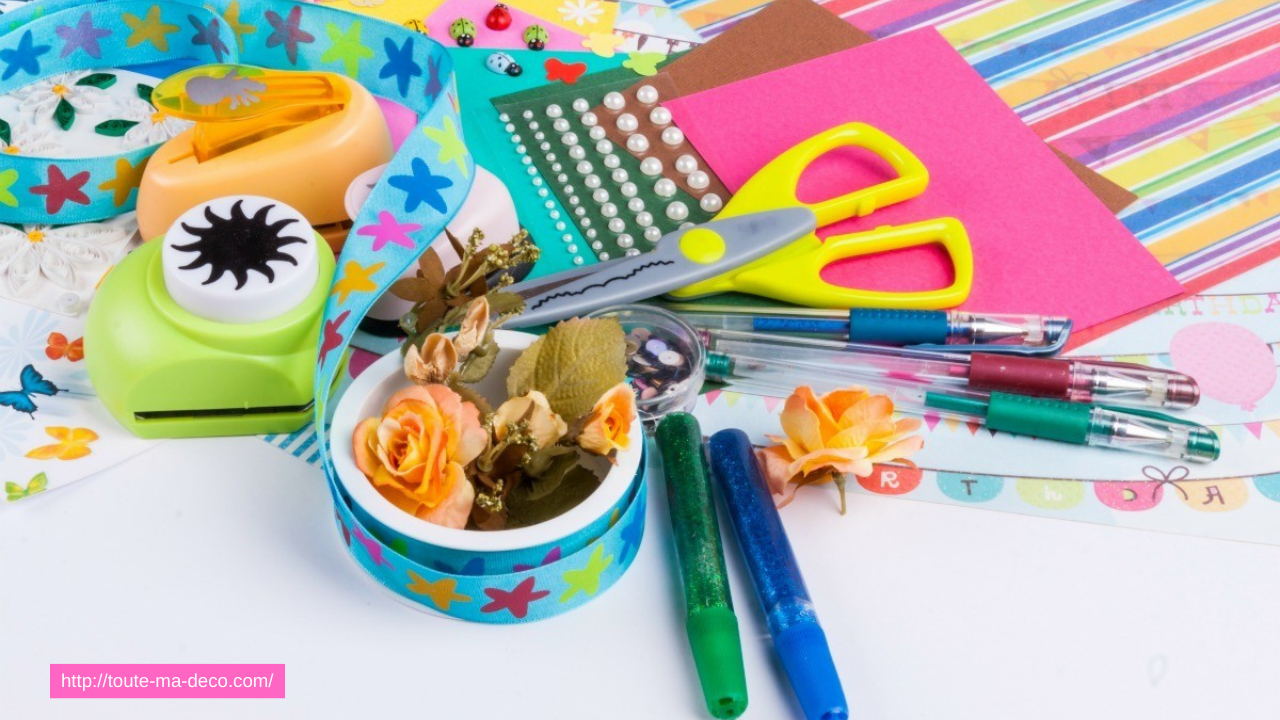
Healing from addiction and emotional struggles is rarely a straight path. For many, traditional therapy alone does not capture the depth of what needs to be expressed. This is why creative practices such as sewing, knitting, journaling, or sketching can play a profound role in recovery. Crafting gives people more than just a pastime. It provides structure, focus, and an outlet for emotions that are often too heavy for words. At Toute Ma Deco, where compassionate care blends evidence-based and holistic approaches, creative therapy is valued as a powerful path to lasting healing.
Why Creativity Supports Recovery
Addiction and mental health challenges often stem from unprocessed pain and overwhelming emotions. Crafting shifts the focus away from destructive patterns and toward healthy, hands-on expression. The act of creating something tangible engages the brain’s reward system, lowers stress, and builds a sense of accomplishment that many individuals have been missing for years.
Emotional Release Through Making
Needlework, journaling, or any form of crafting offers a safe space to release emotions without judgment. Each stitch or written line can hold anger, grief, or hope in ways that spoken words cannot. This helps individuals move forward while reducing the risk of relapse that often comes when emotions are left bottled inside.
Building Focus and Resilience
Crafting requires patience and attention to detail. Over time, these activities strengthen concentration and resilience. For those in recovery, learning to sit with discomfort and complete a project provides a valuable lesson in persistence and self-discipline. The process itself becomes a mirror of the recovery journey: slow, steady, and deeply rewarding.
The Role of Crafts in Holistic Treatment
Healing is not only about addressing symptoms. It is about rebuilding a meaningful life. At Toute Ma Deco, treatment plans are tailored to the whole person, blending traditional therapies with faith-based support and holistic practices. Creative activities fit seamlessly into this model, reinforcing emotional stability and promoting self-discovery.
Fostering Connection and Community
Many who struggle with addiction feel isolated. Group crafting sessions encourage connection, reduce loneliness, and build a sense of belonging. Whether through shared sewing circles or collaborative art projects, these moments remind individuals that they are not alone in their healing journey.
Supporting Spiritual and Emotional Growth
Faith-based recovery emphasizes renewal of both mind and spirit. Engaging in crafts such as writing prayers in a notebook or creating handmade gifts can bring deeper meaning to the recovery process. These acts of creativity allow individuals to reflect, reconnect, and grow in both faith and emotional strength.
Why Hands-On Creativity Matters
Crafting is more than a hobby. It is a therapeutic tool that helps rebuild confidence, reduce anxiety, and promote emotional healing. Each creation, no matter how small, becomes a symbol of progress and hope. For many in recovery, the act of making something by hand is the first step toward believing they can also rebuild their lives.
Taking the Next Step
Recovery is not only about letting go of the past. It is about creating a new future, piece by piece. From needles to notebooks, creative practices help individuals find calm, resilience, and emotional balance. At Toute Ma Deco, compassionate care ensures that every person has the support they need to heal fully. If you or someone you love is searching for a path to recovery that honors the whole person, reach out today. The next chapter of healing can begin with something as simple as a stitch or a written word.
