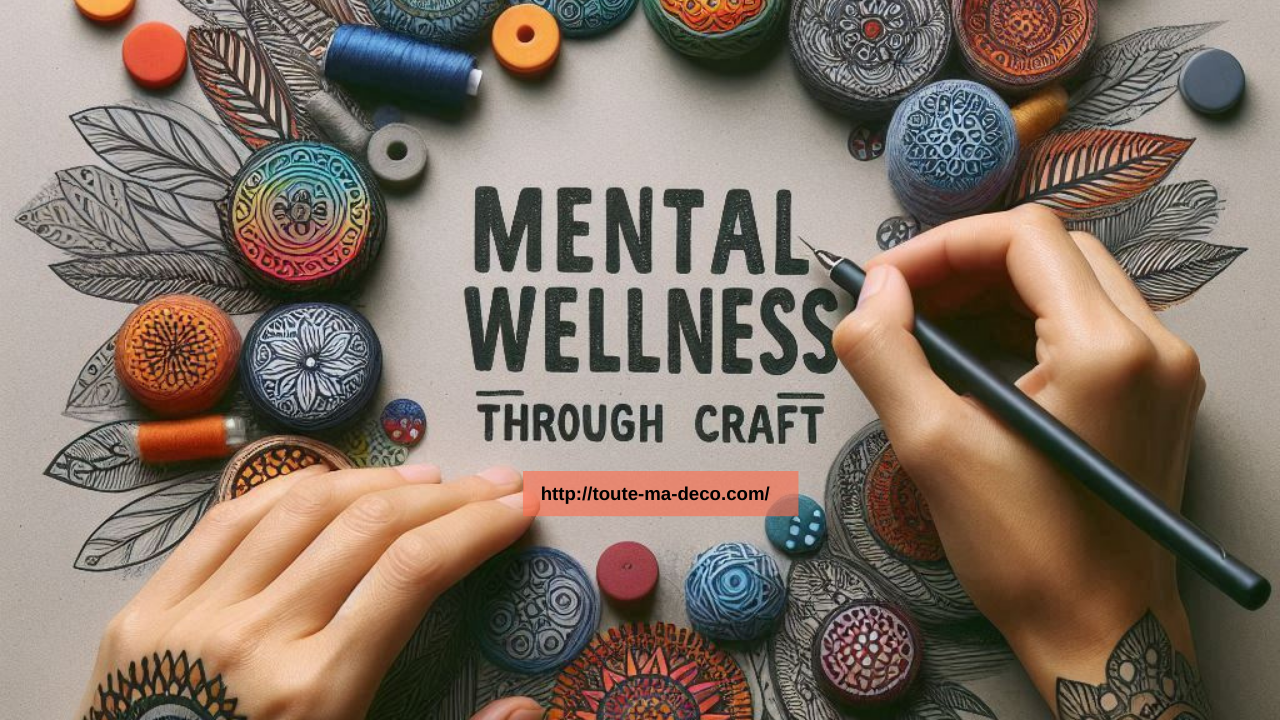
In a world that often moves too fast, stress and anxiety can quickly overwhelm both mind and body. For individuals facing mental health challenges or navigating addiction recovery, finding calm can feel nearly impossible. Yet one powerful and often overlooked tool is within easy reach: crafting. Hands-on creativity is more than just a hobby. It can be a pathway to emotional balance, self-discovery, and long-term healing.
The Healing Connection Between Crafting and Mental Wellness
When we engage in creative activities like knitting, painting, woodworking, or pottery, our focus naturally shifts away from daily worries. This mindful concentration can quiet racing thoughts and help the brain enter a restorative state. For people in addiction recovery, this calm focus can replace harmful coping mechanisms with healthy, rewarding habits.
Crafting also stimulates the brain’s reward center, releasing dopamine, the “feel-good” neurotransmitter that helps regulate mood. This effect is especially important for those recovering from substance use disorders, as healthy sources of dopamine support the brain’s healing and reduce the risk of relapse.
How Creativity Supports Addiction Recovery
Building Emotional Resilience
Crafting offers a safe outlet to process and release emotions that may be difficult to express in words. Whether shaping clay or stitching fabric, the act of making allows emotions to flow without judgment. Over time, this emotional release can help individuals build resilience and respond to challenges with greater calm.
Strengthening Focus and Patience
Addiction often thrives on impulsivity, while recovery requires steady, mindful progress. Crafting naturally cultivates patience as each project takes time and attention to complete. These qualities translate directly into everyday life, helping individuals stay grounded through the recovery process.
Encouraging Social Connection
Group craft activities or workshops create opportunities to connect with others in a supportive environment. These connections are vital in recovery, reducing feelings of isolation and fostering a sense of belonging.
The Mind-Body Benefits of Crafting
Hands-on creativity engages multiple senses and stimulates fine motor skills, which has been shown to improve cognitive function and overall brain health. Additionally, the repetitive motions involved in activities like knitting or weaving can lower blood pressure and slow the heart rate, reducing physical symptoms of stress.
Integrating Crafting into a Holistic Healing Plan
At Toute Ma Deco, healing is about more than treating symptoms. Their approach to addiction recovery and mental health care is holistic, combining evidence-based therapy with activities that nurture the whole person. Crafting can be seamlessly integrated into this kind of personalized care plan, working alongside counseling, faith-based support, and other therapeutic services.
Conclusion: Creating Peace, One Project at a Time
Crafting is not just about creating beautiful objects. It is about creating a calmer mind, a stronger spirit, and a healthier life. For those struggling with mental health challenges or recovering from addiction, putting hands to work can truly put hearts at peace. If you or someone you love is ready to explore holistic paths to healing, reach out to Toute Ma Deco today. Your next chapter can start with just one stitch, one brushstroke, or one small act of creation.
